Hit enter to search or ESC to close
27 February 2026
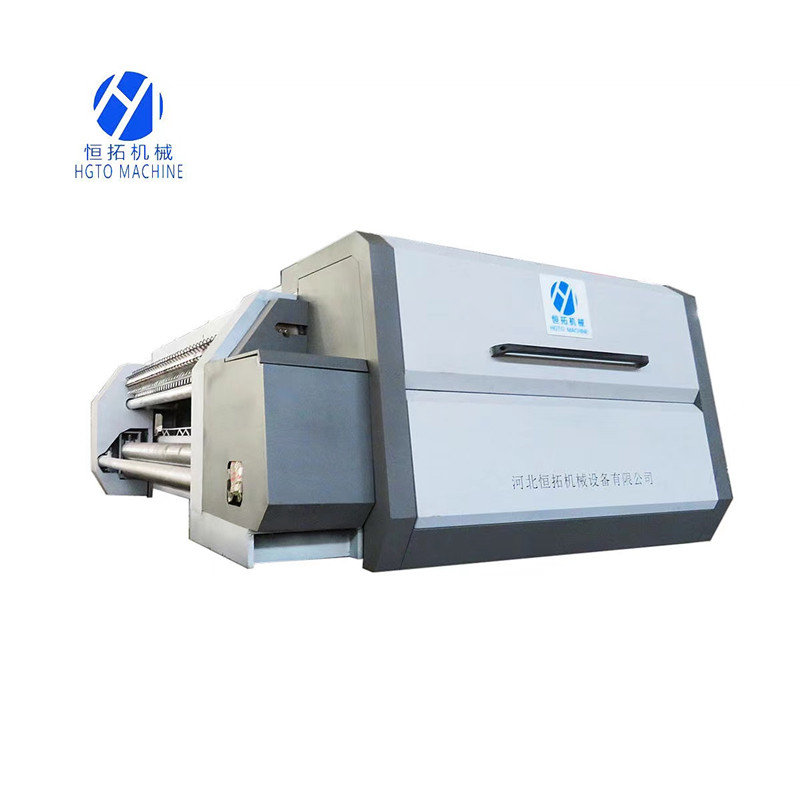
The demand for durable and aesthetically pleasing fencing solutions is constantly growing, particularly in agriculture, landscaping, and security applications. A PVC plastic grass wire fence machine represents a crucial investment for businesses looking to capitalize on this market. This article will delve into the intricacies of these machines, exploring their functionality, key features, benefits, applications, and considerations for choosing the right one for your needs. We’ll also examine how advancements in technology are shaping the future of fence manufacturing.
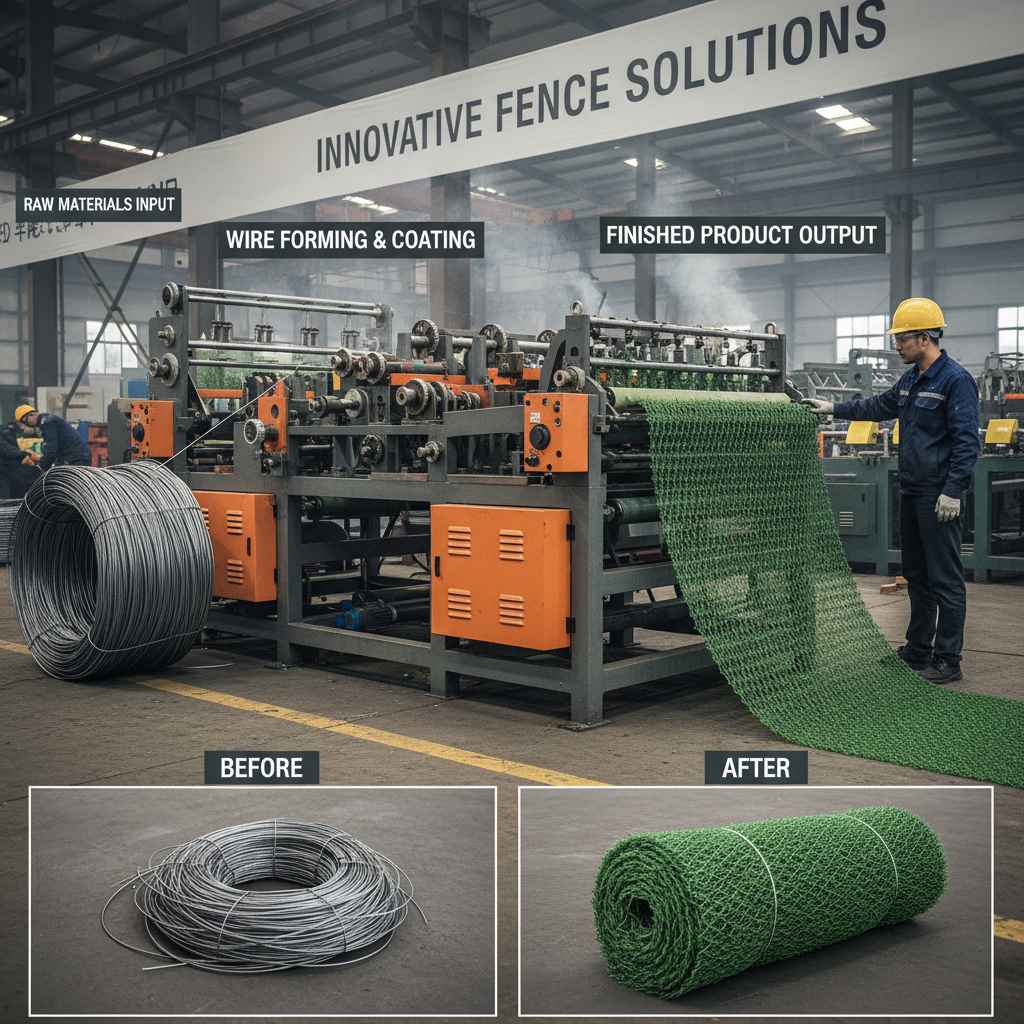
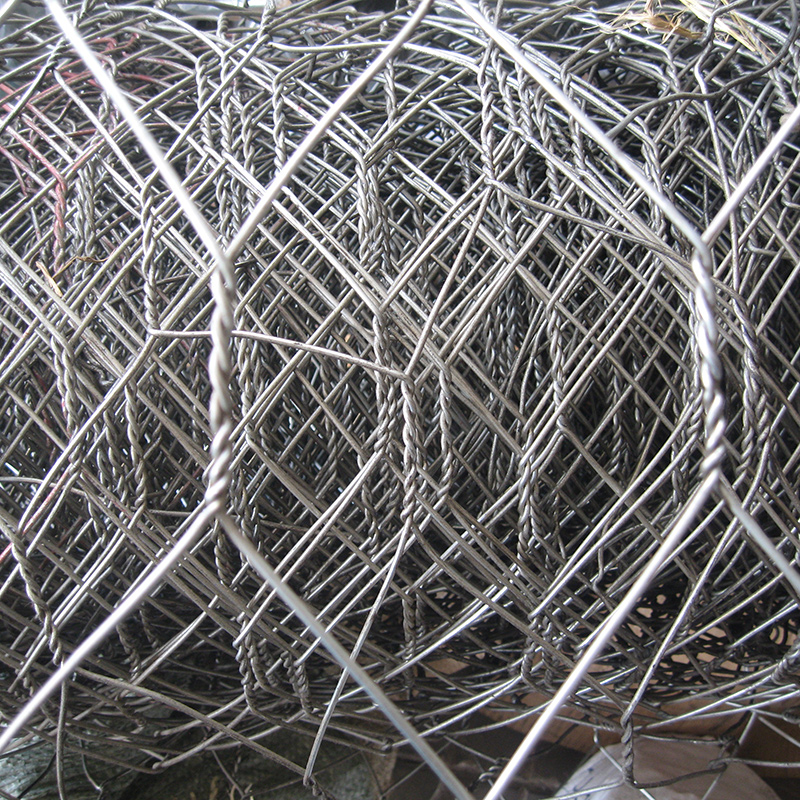
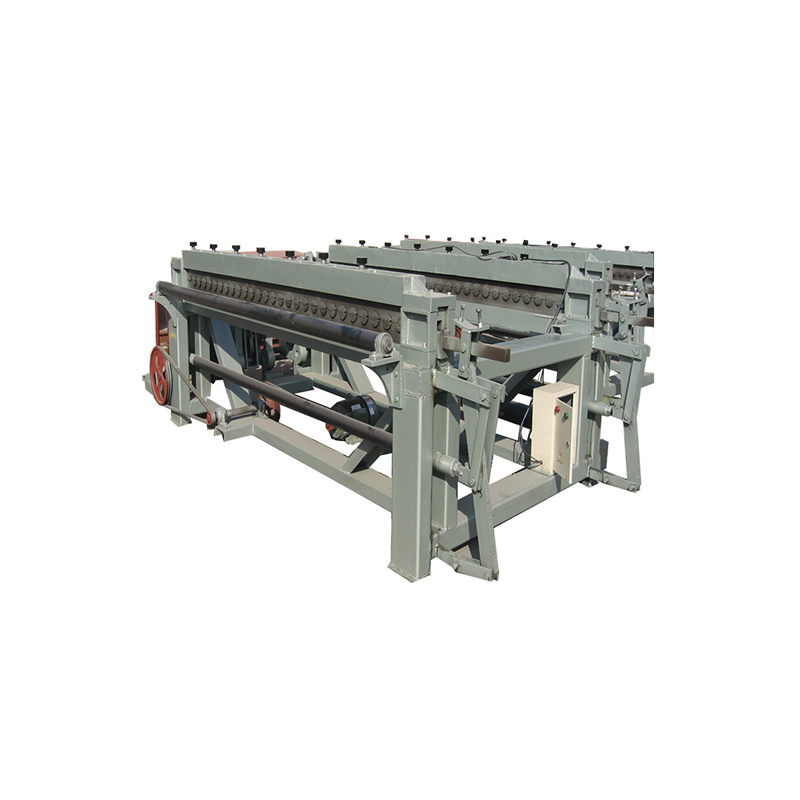
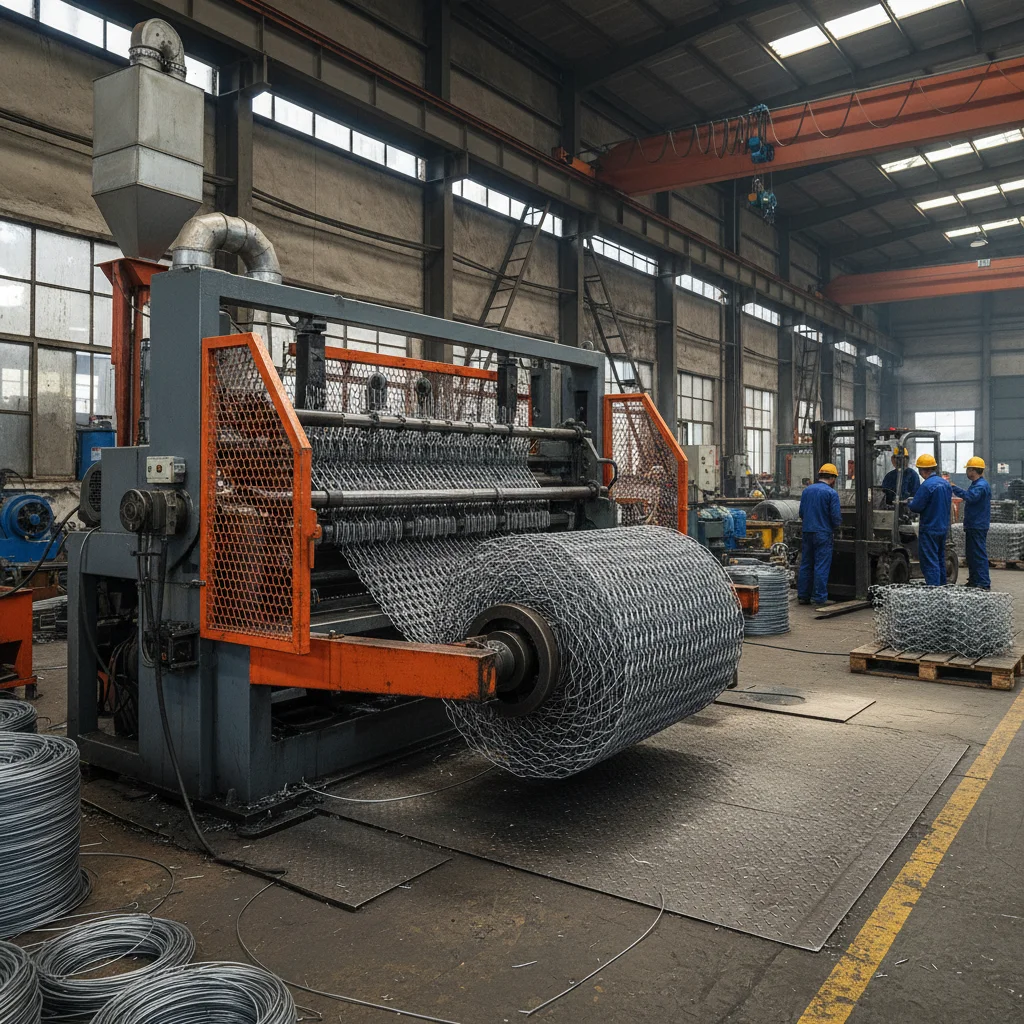
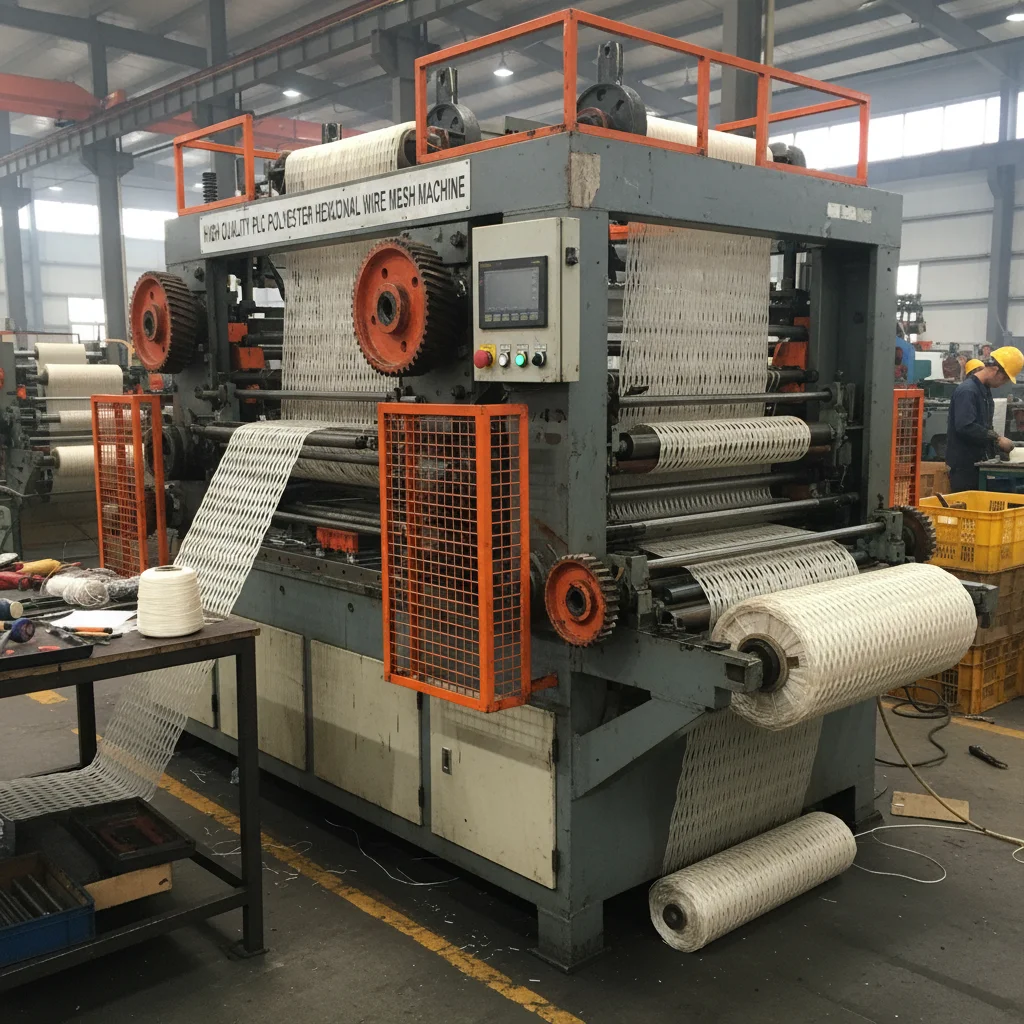
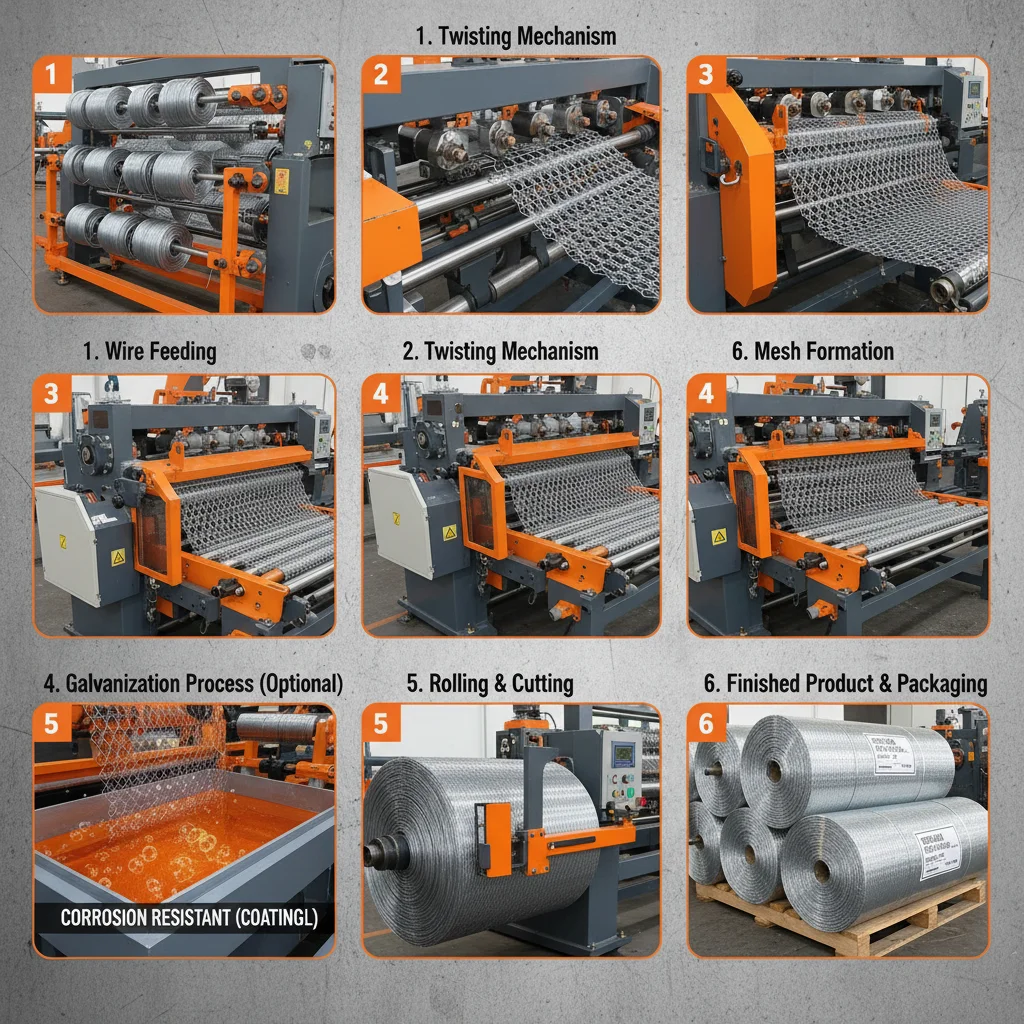
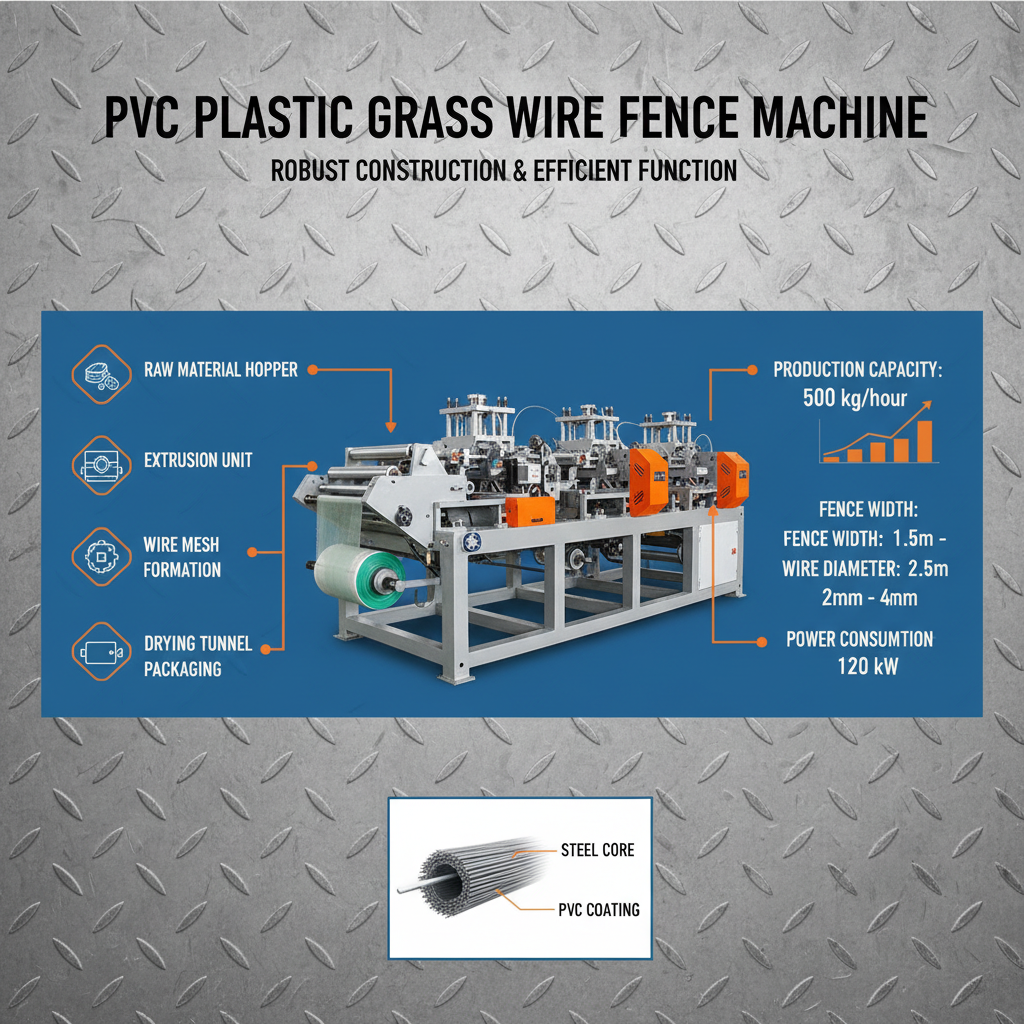
At its core, a PVC plastic grass wire fence machine automates the process of weaving or knotting PVC-coated wire into a mesh structure, creating the characteristic fence pattern. The process generally involves several stages: wire feeding, coating (if not pre-coated), forming the mesh, and winding. Modern machines are often computer-controlled, ensuring precision and consistency in production. The type of weaving or knotting mechanism varies depending on the desired fence style (e.g., chain-link, woven wire, welded wire). Automation significantly reduces labor costs and increases production capacity compared to manual fence fabrication methods.
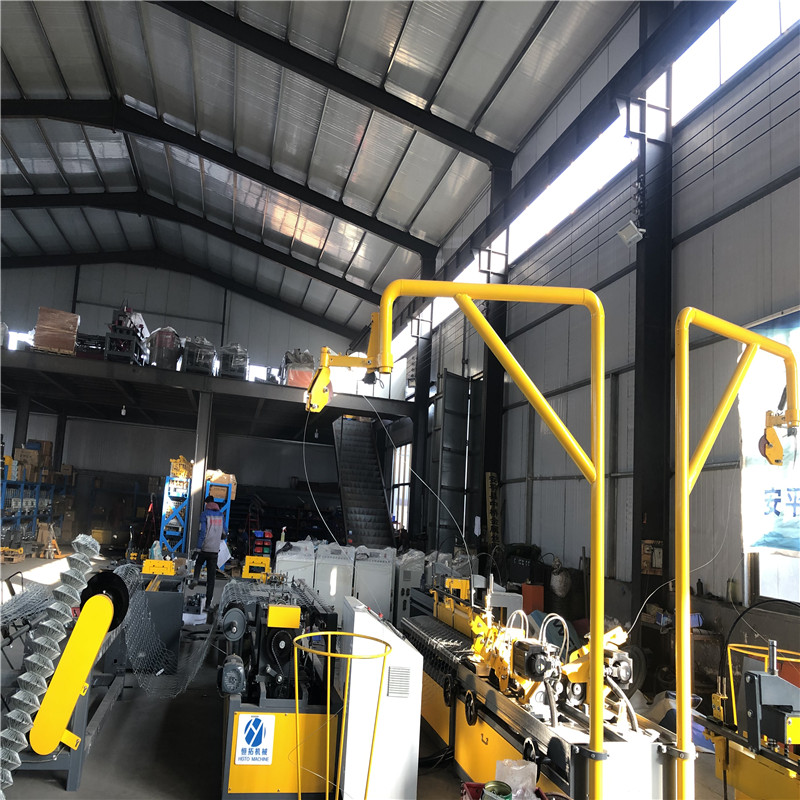
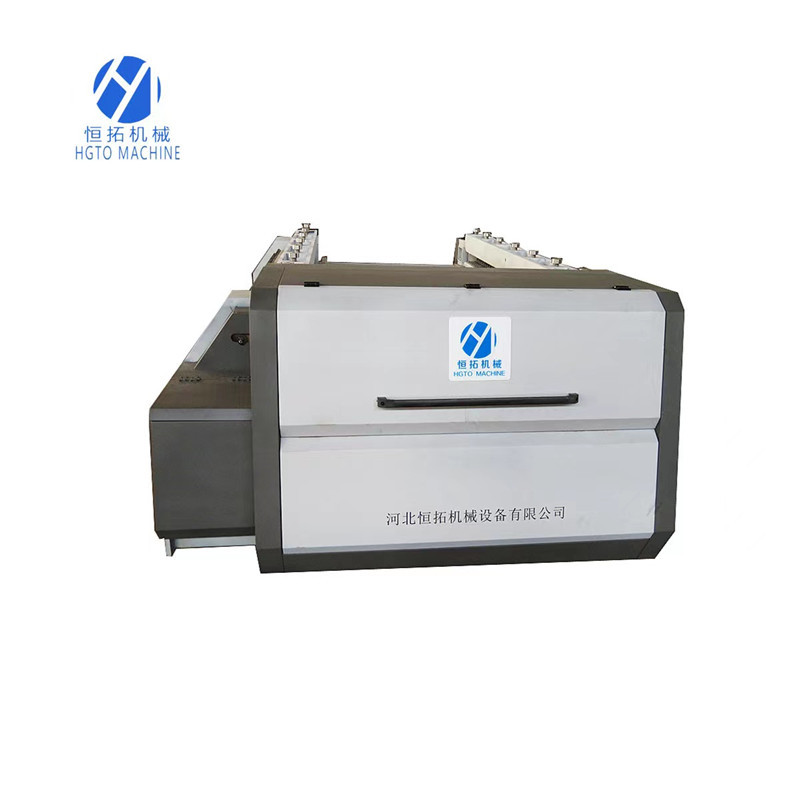
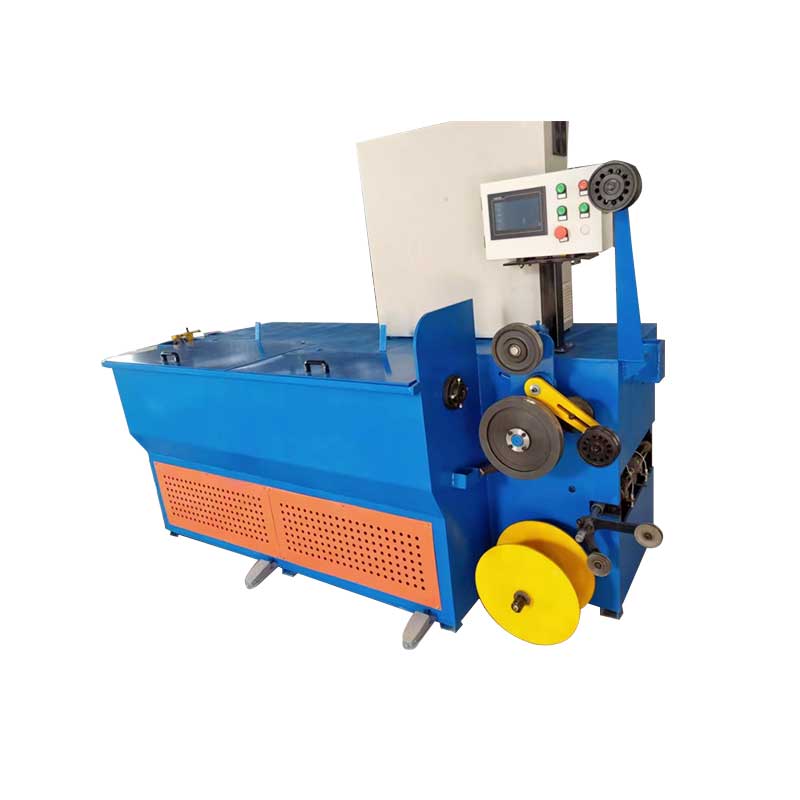
Understanding the core components is essential for making an informed purchase. These typically include a wire unwinding system, a PVC coating extrusion unit (for machines that coat on-site), a forming mechanism (weaving, knotting, or welding heads), a tension control system, a winding/collection unit, and a control panel. The quality of these components directly impacts the machine’s performance, reliability, and the quality of the finished product. Modern machines often integrate sensors and feedback systems to optimize production and minimize waste. A robust and well-maintained wire unwinding system, for example, is crucial for continuous operation.
Key Component Highlights: A robust wire unwinding system, PVC coating extrusion unit, forming mechanism, tension control system, winding unit and a control panel.
Different machines cater to varying production volumes and fence specifications. Key features to consider include the maximum wire diameter the machine can handle, the mesh size range, the production speed, the level of automation, and the power requirements. Here's a breakdown of common specifications:
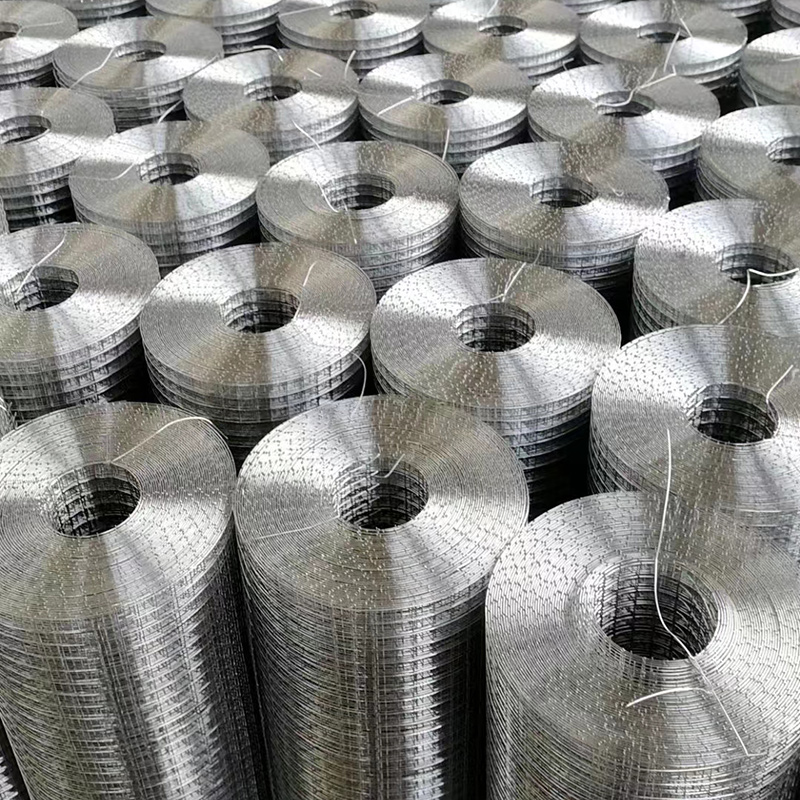
The fences produced by these machines find wide applications: agricultural fencing for livestock containment, garden fencing for decorative purposes, security fencing for perimeter protection, and industrial fencing for site enclosures. The PVC coating provides durability and resistance to corrosion, making the fences suitable for various climates. You can discover a broad range of applications and client success stories at HT Mesh Machines. The ability to customize mesh size and wire gauge allows manufacturers to cater to specific client requirements.
Several factors influence the best choice: production capacity needs, the types of fences you intend to manufacture, budget constraints, and after-sales support. Consider the machine’s energy efficiency, ease of maintenance, and availability of spare parts. Researching different manufacturers and comparing their offerings is crucial. Look for machines with robust construction, reliable components, and user-friendly controls. Don't hesitate to request a demonstration or visit a manufacturer's facility to assess the machine's performance firsthand.
Investing in a high-quality PVC plastic grass wire fence machine is a strategic move for businesses seeking to establish or expand their presence in the fencing market. By carefully evaluating your needs and selecting a machine with the right features and specifications, you can ensure efficient production, superior product quality, and long-term profitability.
The payback period varies depending on production volume, selling price, and operating costs. However, a well-utilized machine can typically pay for itself within 2-5 years. Factors influencing the payback include the machine's efficiency, labor costs, material costs, and the demand for fencing in your target market. Higher production volumes and competitive pricing will shorten the payback period. A detailed cost-benefit analysis, considering all relevant factors, is recommended before making a purchase.
Regular maintenance is crucial for ensuring optimal performance and prolonging the machine's lifespan. This includes lubricating moving parts, cleaning the machine regularly, inspecting wires and components for wear and tear, and tightening any loose connections. Preventative maintenance schedules, as outlined in the machine's manual, should be followed diligently. For more complex repairs or maintenance, it's advisable to consult with a qualified technician.
Safety should always be a top priority. Operators should wear appropriate personal protective equipment (PPE), including safety glasses, gloves, and hearing protection. Ensure all safety guards are in place and functioning correctly. Never attempt to operate the machine without proper training. Regularly inspect the machine for any potential hazards and address them promptly. Follow all safety guidelines outlined in the machine's manual.