Hit enter to search or ESC to close
26 February 2026
The demand for aesthetically pleasing and functional fencing solutions is constantly growing, particularly in landscaping, agriculture, and decorative applications. A grass fence knitting machine represents a significant advancement in producing these types of fences efficiently and consistently. This article explores the functionality, benefits, applications, and key considerations when choosing a grass fence knitting machine, providing a thorough overview for businesses and individuals involved in fence production. Choosing the right machine can dramatically improve production output and quality.
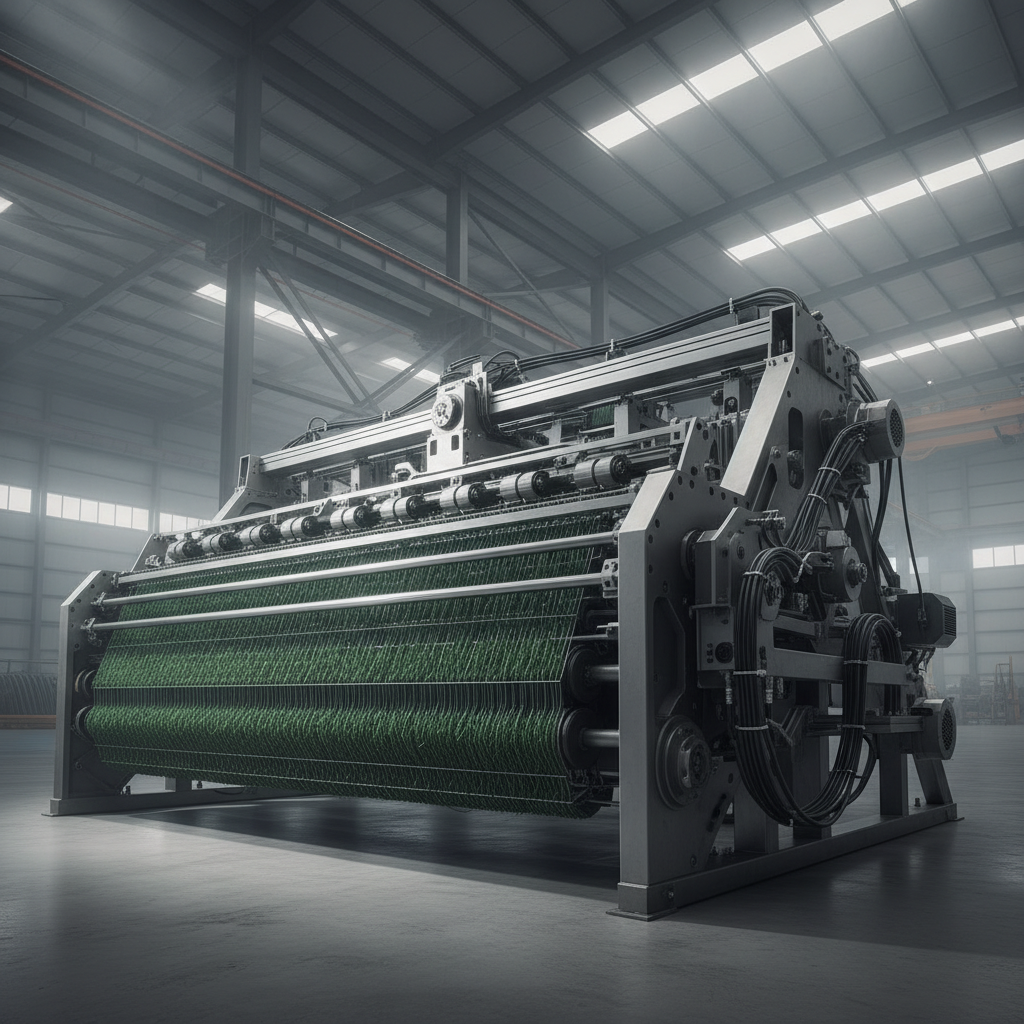
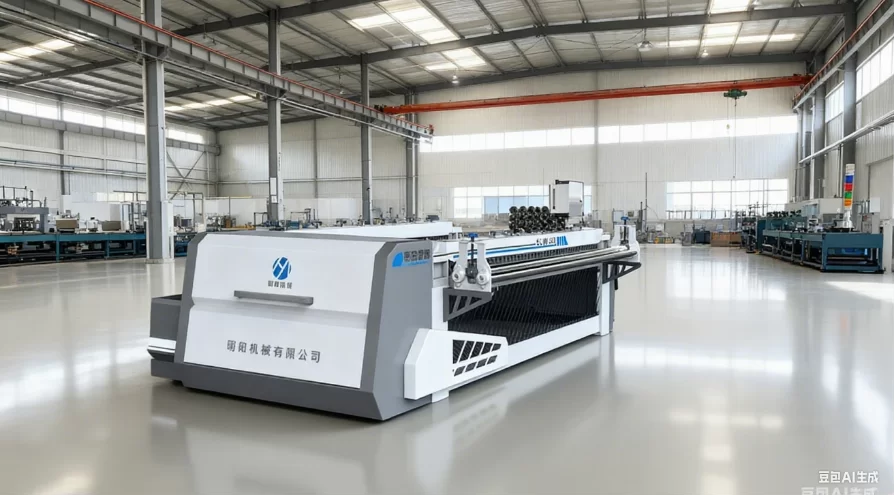
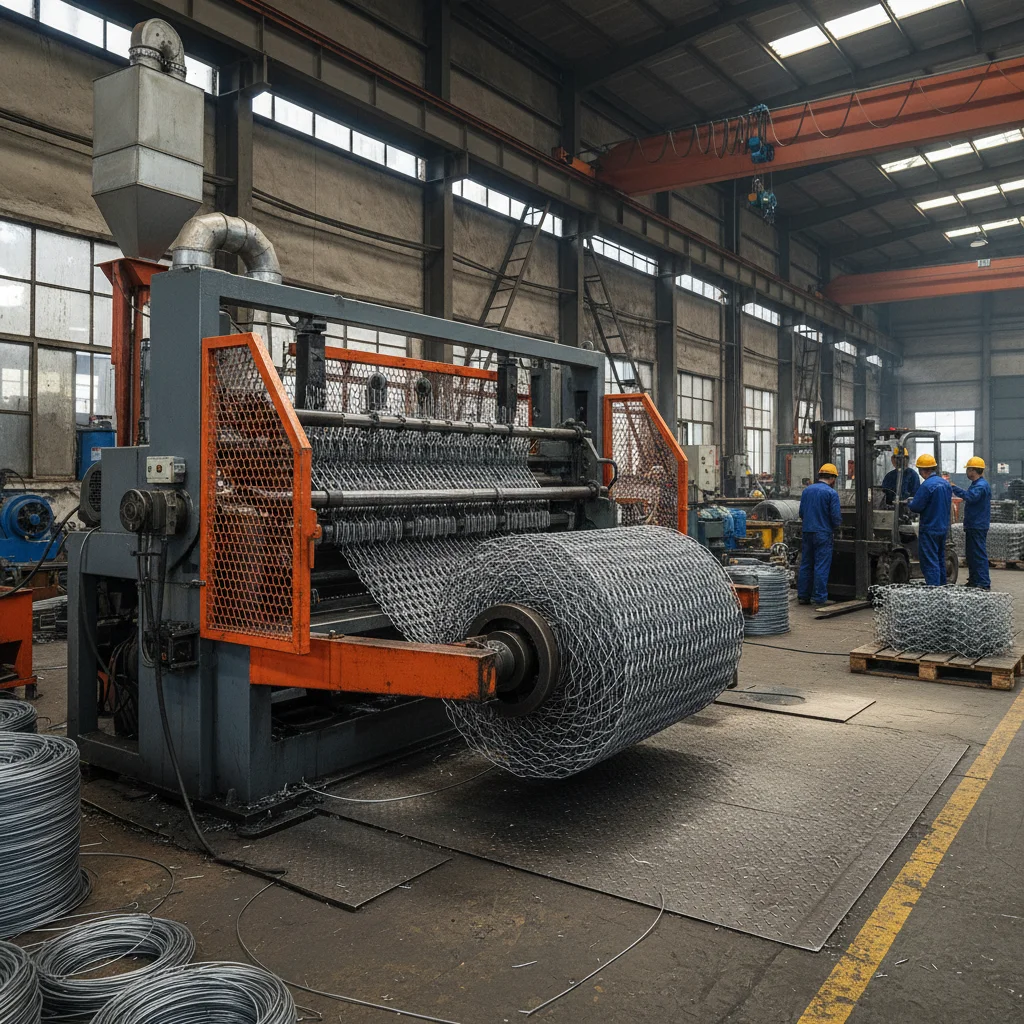
A grass fence knitting machine operates on a principle similar to traditional knitting, but adapted for processing natural fibers like straw, reed, and various types of grasses. The machine uses a series of needles and a carriage to interlock the grass strands, creating a woven mesh structure. Raw materials are fed into the machine, where they are cleaned, measured, and then knitted together. Modern machines feature programmable logic controllers (PLCs) allowing for adjustments in stitch length, density, and fence width. This ensures consistency and reduces material waste. The process is significantly faster and more uniform than manual weaving, leading to substantial production gains.
Key Benefits: Increased production speed, consistent quality, reduced labor costs, programmable settings for customization, and minimal material waste.
Several features differentiate a high-quality grass fence knitting machine. Robust construction is paramount, ensuring longevity and minimizing downtime. Automatic feeding systems reduce the need for constant operator intervention. Precise control over stitch length and density is crucial for achieving desired aesthetic and functional characteristics. Additionally, a user-friendly interface and comprehensive safety features are essential for efficient and safe operation. Look for machines equipped with sensors to detect material shortages or malfunctions, preventing damage and ensuring consistent output. Furthermore, the ability to quickly change settings for different fence designs is a valuable asset.
The applications for grass fences produced by these machines are diverse. They’re extensively used in landscaping for creating natural-looking barriers, garden edging, and decorative screens. Agricultural applications include erosion control, livestock containment (especially for smaller animals), and protecting crops from wind damage. Beyond these, grass fences are increasingly popular for architectural features, privacy screens, and even interior design elements. The market demand is driven by the growing emphasis on sustainable and eco-friendly materials, alongside the increasing popularity of natural aesthetics in both residential and commercial settings.
Market Demand & Application Areas:
• Landscaping and Garden Decoration
• Agricultural Erosion Control
• Livestock Management
• Architectural & Interior Design
The choice between a manual and an automatic grass fence knitting machine depends largely on production volume and budget. Manual machines are generally more affordable but require significantly more labor. Automatic machines represent a higher initial investment but deliver substantial long-term savings through increased efficiency and reduced labor costs. Here's a comparison:
Selecting the ideal grass fence knitting machine requires careful consideration of several factors. Production capacity is paramount – estimate your expected output to determine the appropriate machine size and automation level. The types of grass and materials you intend to use should also be considered; some machines are better suited for specific fibers. Reliability and after-sales service are crucial; choose a reputable manufacturer like HT Mesh Machines with a proven track record and responsive support team. Finally, budget constraints and available space will influence your decision.
Investing in a grass fence knitting machine is a strategic move for businesses looking to capitalize on the growing demand for sustainable and aesthetically pleasing fencing solutions. By carefully evaluating your needs and choosing a reliable machine, you can significantly enhance production efficiency, reduce costs, and deliver high-quality products to your customers. Don't hesitate to explore the options available and partner with a trusted manufacturer to optimize your fencing production process.
Most grass fence knitting machines are designed to handle a variety of natural fibers, including straw, reed, rushes, and different types of grasses. The suitability of a specific material depends on the machine's design and settings. It’s important to ensure the material is properly dried and cleaned before processing to prevent damage to the machine and ensure optimal weaving quality. Some machines can also handle synthetic fibers blended with natural materials to enhance durability and weather resistance.
Regular maintenance is crucial for ensuring the longevity and optimal performance of your grass fence knitting machine. This includes daily cleaning to remove debris and fiber buildup, lubricating moving parts according to the manufacturer's instructions, and inspecting needles and other components for wear and tear. Periodic inspection of the electrical system and PLC is also recommended. Following a preventative maintenance schedule will minimize downtime and prevent costly repairs.
Safety is paramount. Look for machines equipped with emergency stop buttons, safety guards around moving parts, and overload protection systems. Automatic shut-off features that activate when material runs out or a malfunction is detected are also essential. Proper training for operators on safe machine operation is vital. Ensure the machine meets relevant safety standards and certifications.
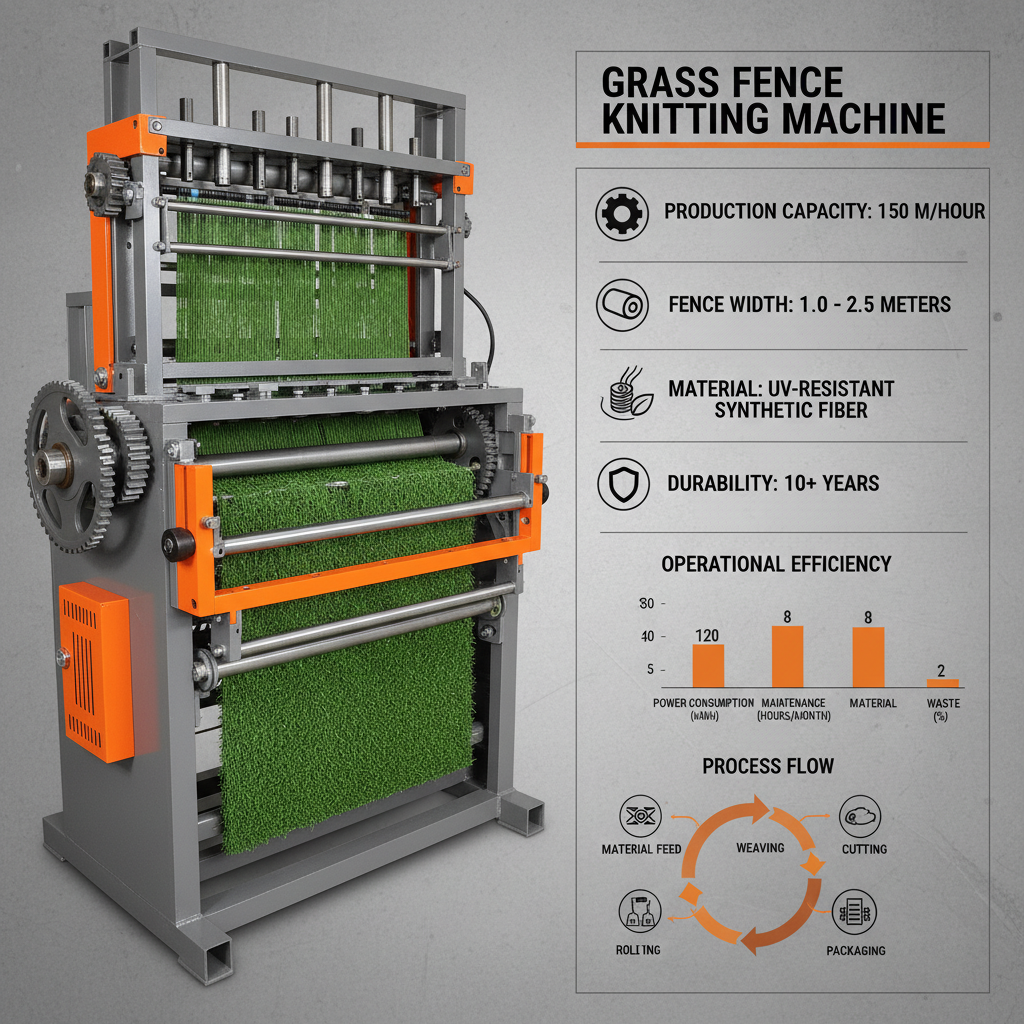
The production rate of an automatic grass fence knitting machine varies depending on the machine's specifications, the type of material being used, and the desired fence width and density. However, a typical automatic machine can produce between 50 to 200 meters of fence per hour. This is significantly faster than manual production, which typically yields only a few meters per hour.