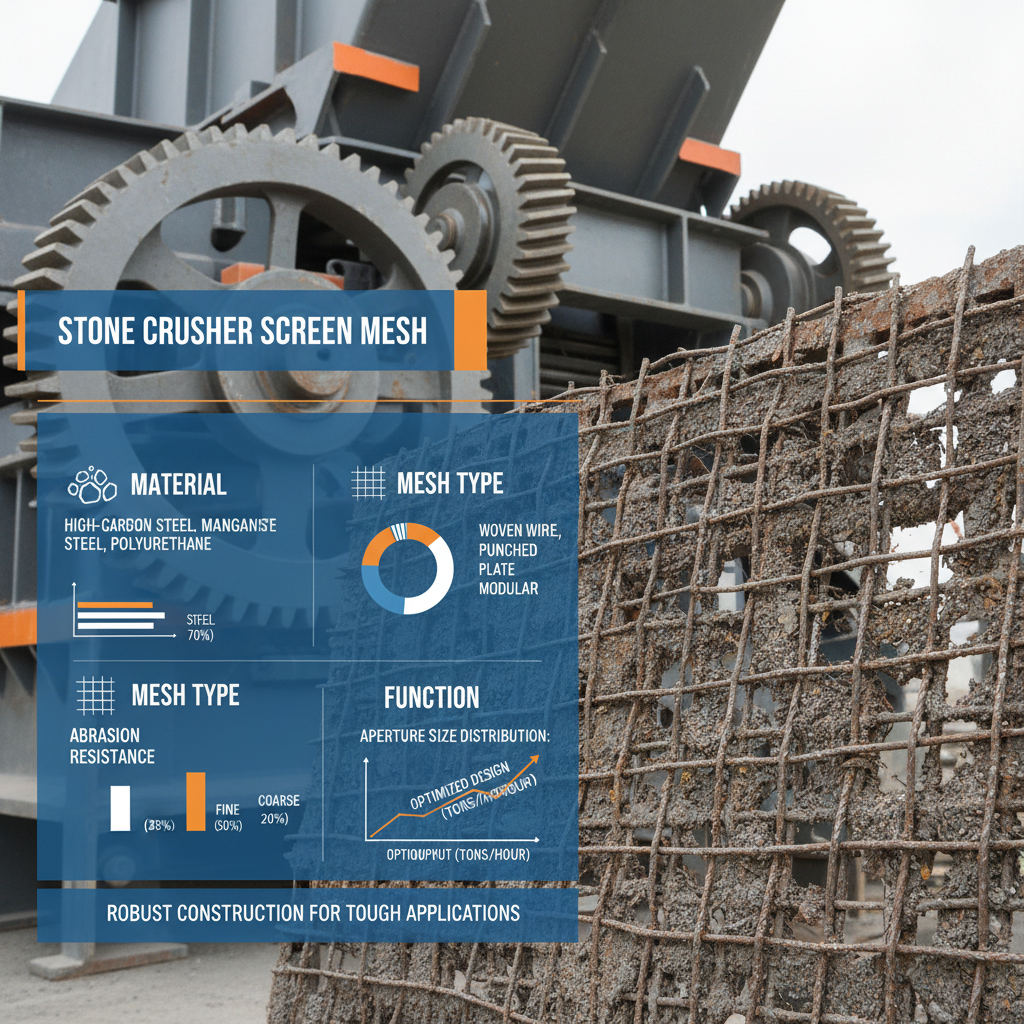
Stone crusher screen mesh plays a vital role in aggregate production, ensuring efficient separation of materials based on size. Its application spans across numerous industries, from construction and mining to road building and recycling. Understanding the properties and correct implementation of this mesh is paramount to optimizing material processing, reducing operational costs, and ensuring the final product meets required specifications. The global demand for high-quality aggregates, driven by infrastructure development and urbanization, makes the selection and maintenance of effective stone crusher screen mesh increasingly critical.
The significance of stone crusher screen mesh extends beyond mere material separation. It directly impacts the efficiency of downstream processes, influencing the quality of concrete, asphalt, and other composite materials. Properly selected screen mesh minimizes fines contamination, improves particle shape, and contributes to the overall durability of finished products. This impacts not only economic factors, like reduced waste and rework, but also safety considerations in critical applications. Effective screening also influences material grading, which is central to ensuring structural integrity.
Consequently, advancements in screen mesh technology, including materials science and weaving techniques, are continually evolving to meet the increasingly demanding needs of modern industries. From high-tensile steel alloys to specialized polymer blends, the pursuit of more durable, efficient, and cost-effective stone crusher screen mesh solutions is a constant driving force in the industry.
Understanding Stone Crusher Screen Mesh
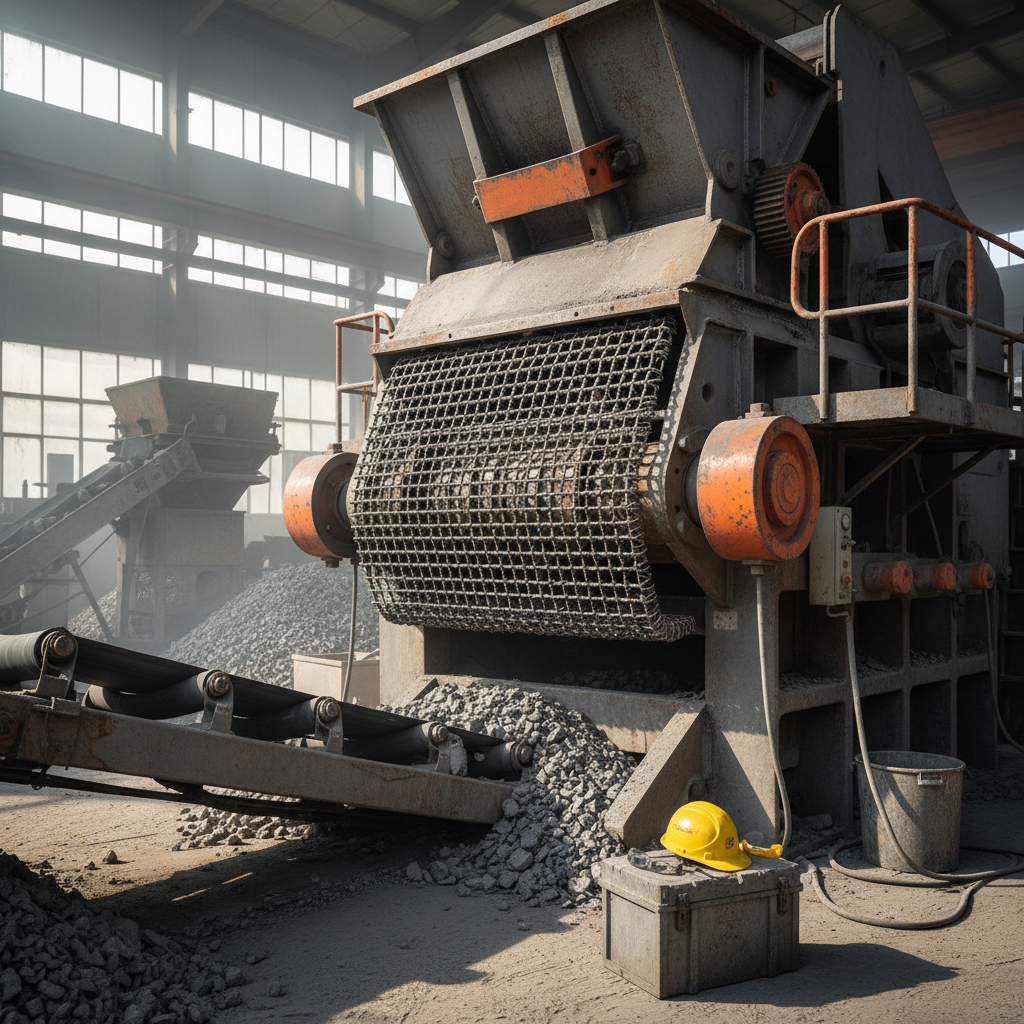
Stone crusher screen mesh isn't simply a component; it’s the heart of the size separation process in aggregate production. The right mesh selection dictates the quality, consistency, and ultimately, the cost-effectiveness of the entire operation. Factors such as aperture size, wire diameter, and mesh type all contribute to its overall performance and longevity.
Choosing the incorrect mesh can lead to inefficiencies – either allowing undersized material to pass through, reducing product quality, or causing blinding, which dramatically reduces throughput. Effective stone crusher screen mesh management is therefore integral to optimizing resource utilization and minimizing downtime.
The Global Landscape of Stone Crusher Screening
Globally, the demand for aggregates is intrinsically linked to infrastructure development, particularly in rapidly urbanizing nations. Countries like China, India, and those across Southeast Asia represent significant growth markets, driving demand for high-capacity, reliable stone crushing and screening equipment. According to a report by the United Nations, global construction spending is projected to reach $16.3 trillion by 2030, further emphasizing the need for efficient aggregate production.
The mining sector also contributes significantly to the demand for stone crusher screen mesh. From extracting raw materials for construction to processing ores for various industrial applications, screening is a crucial step in separating valuable resources from waste materials. Efficient screening processes contribute to increased resource recovery and reduced environmental impact.
However, challenges remain. Variations in raw material composition, stringent environmental regulations, and the need for sustainable practices are driving innovation in screen mesh technology. These challenges necessitate the development of more durable, efficient, and environmentally friendly screening solutions, such as those offered through advanced wire weaving techniques.
Defining Stone Crusher Screen Mesh: A Technical Overview
Stone crusher screen mesh refers to the woven wire screens used in crushing and screening equipment to separate materials based on particle size. These screens are typically constructed from steel alloys, stainless steel, or increasingly, specialized polymer materials. The key characteristic is the size of the apertures (openings) between the wires, which determines the cut point for material separation. Different weaving patterns – such as square, slotted, or crimped – offer varying levels of durability, capacity, and resistance to blinding.
The 'mesh count' is another critical parameter, indicating the number of openings per linear inch. A higher mesh count signifies smaller apertures and the ability to screen out finer particles. Selecting the appropriate mesh count requires careful consideration of the desired product specifications and the characteristics of the material being processed. Understanding these technical parameters is essential for optimizing screening performance and minimizing operational costs.
Furthermore, the design and manufacturing of stone crusher screen mesh are influenced by factors such as tension, wire profile, and support structures. Properly tensioned screens maintain their shape and prevent premature wear, while optimized wire profiles enhance material flow and reduce blinding. Robust support structures ensure the screen can withstand the dynamic loads imposed during crushing and screening operations.
Key Factors Influencing Screen Mesh Performance
Several key factors directly impact the performance and lifespan of stone crusher screen mesh. Durability, specifically the resistance to abrasion and impact, is paramount, especially when processing abrasive materials like granite or basalt. Scalability, or the ability to handle varying throughput rates without compromising efficiency, is also critical for maintaining productivity.
Cost-efficiency encompasses not only the initial purchase price of the mesh but also its longevity and maintenance requirements. A high-quality mesh that lasts longer and requires less frequent replacement ultimately offers a lower total cost of ownership. Proper installation and maintenance play a significant role in maximizing mesh lifespan.
Stone Crusher Screen Mesh Performance Metrics
Global Applications and Industry Use Cases
Stone crusher screen mesh is indispensable across a wide range of industries. In construction, it’s vital for producing aggregates for concrete, asphalt, and road base materials. The mining sector relies on it for separating valuable minerals from ore. Recycling facilities use screen mesh to sort materials like concrete, asphalt, and glass for reuse.
In remote industrial zones, where access to replacement parts can be challenging, the durability of stone crusher screen mesh is paramount. In post-disaster relief operations, rapid aggregate production for temporary infrastructure relies heavily on efficient and reliable screening solutions. Across these varied applications, selecting the appropriate mesh type is critical.
Advantages and Long-Term Value Proposition
The advantages of utilizing high-quality stone crusher screen mesh extend beyond operational efficiency. Cost savings stemming from reduced downtime, minimized material waste, and extended mesh lifespan contribute significantly to overall profitability. Sustainable practices benefit from efficient screening, which maximizes resource utilization and reduces landfill waste.
Reliable screening also directly impacts safety. Consistent particle size distribution in aggregates enhances the structural integrity of construction materials, reducing the risk of failures and ensuring the longevity of infrastructure projects. The trust and confidence in a consistently high-quality product provide a significant competitive advantage.
Future Trends and Innovations in Stone Crusher Screen Mesh Technology
Future innovations in stone crusher screen mesh are focused on enhancing durability, reducing blinding, and improving efficiency. The development of self-cleaning mesh designs, incorporating advanced polymer coatings and specialized weaving patterns, is gaining traction. The integration of smart sensors and data analytics to monitor screen performance and predict maintenance needs represents another emerging trend.
Sustainability is also driving innovation, with the exploration of alternative materials and manufacturing processes to reduce the environmental footprint of screen mesh production. Automation in screen changing processes is reducing downtime and improving operator safety. The convergence of digital transformation and materials science promises to deliver more efficient and reliable screening solutions in the years to come.
The integration of Industry 4.0 principles, such as predictive maintenance and remote monitoring, will further optimize the performance and lifespan of stone crusher screen mesh, contributing to greater operational efficiency and reduced costs.
Summary of Factors Influencing Stone Crusher Screen Mesh Selection
| Material Type |
Aperture Size |
Weave Pattern |
Durability Rating (1-10) |
| Granite |
2mm |
Square Weave |
9 |
| Limestone |
4mm |
Slotted Weave |
7 |
| Recycled Concrete |
10mm |
Crimp Weave |
8 |
| Basalt |
1.5mm |
Square Weave (High Tensile) |
10 |
| Gravel |
6mm |
Slotted Weave |
6 |
| Sand |
0.5mm |
Woven Wire Cloth |
5 |
FAQS
Blinding in stone crusher screen mesh occurs when fine particles become lodged within the mesh apertures, reducing its effective open area and decreasing throughput. Common causes include high moisture content in the material, a high percentage of fines, and improper screen selection for the material being processed. Regular screen cleaning and selecting a mesh type with self-cleaning properties can help mitigate this issue.
Determining the correct mesh size depends on the desired product specifications and the characteristics of the input material. Consider the particle size distribution you need to achieve, the presence of sticky or clay-like materials, and the overall throughput requirements. It's often recommended to conduct trial screenings with different mesh sizes to optimize performance. Consulting with a screen media specialist can also provide valuable guidance.
The lifespan of stone crusher screen mesh varies significantly based on the material being processed, the operating conditions, and the mesh quality. Abrasive materials like granite will wear mesh faster than softer materials like limestone. Factors like impact forces, tensioning, and maintenance practices also affect lifespan. High-quality mesh can last for several months, while lower-quality mesh may need replacement more frequently.
Regular inspection of stone crusher screen mesh is crucial for preventing downtime and maintaining optimal performance. Inspect the mesh at least weekly for signs of wear, damage, or blinding. Replace the mesh when it shows significant wear, when the aperture size has increased beyond acceptable limits, or when throughput is noticeably reduced. Preventative maintenance is always more cost-effective than reactive repair.
Stainless steel screen mesh offers superior corrosion resistance, making it ideal for processing materials with high salt content or in harsh environmental conditions. It also provides increased durability and a longer lifespan compared to carbon steel mesh. Although typically more expensive upfront, the extended lifespan and reduced maintenance requirements can make stainless steel a cost-effective choice in the long run.
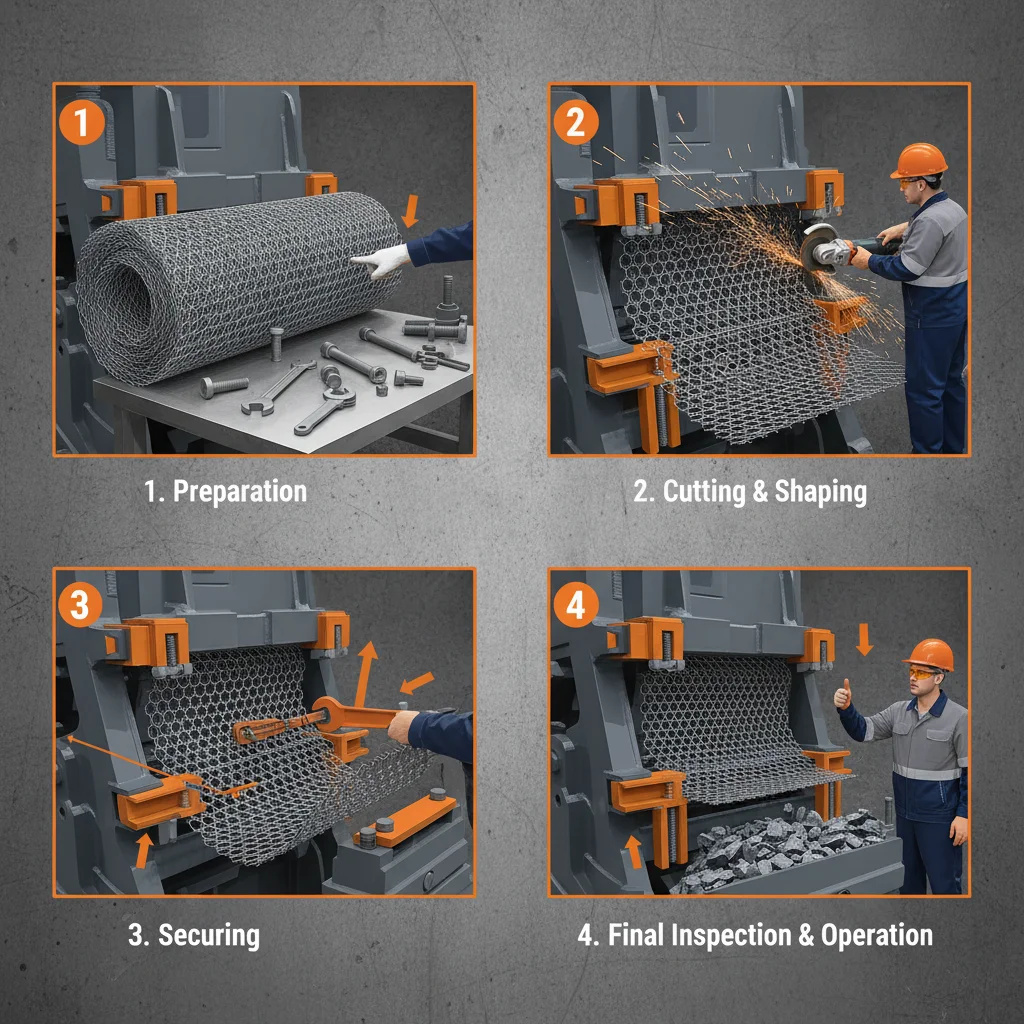
Proper installation is critical for maximizing screen mesh performance and lifespan. Ensure the mesh is correctly tensioned according to the manufacturer's specifications. Avoid over-tensioning, which can lead to premature failure. Use appropriate fastening methods and ensure all connections are secure. Follow the manufacturer’s instructions for initial break-in procedures to allow the mesh to seat properly.
Conclusion
In conclusion, stone crusher screen mesh is a foundational element in aggregate production, influencing everything from material quality and operational efficiency to cost-effectiveness and sustainability. Understanding the key factors that affect mesh performance, including material type, aperture size, and weave pattern, is crucial for optimizing screening processes and maximizing value. Investing in high-quality mesh and implementing proactive maintenance strategies yield significant long-term benefits.
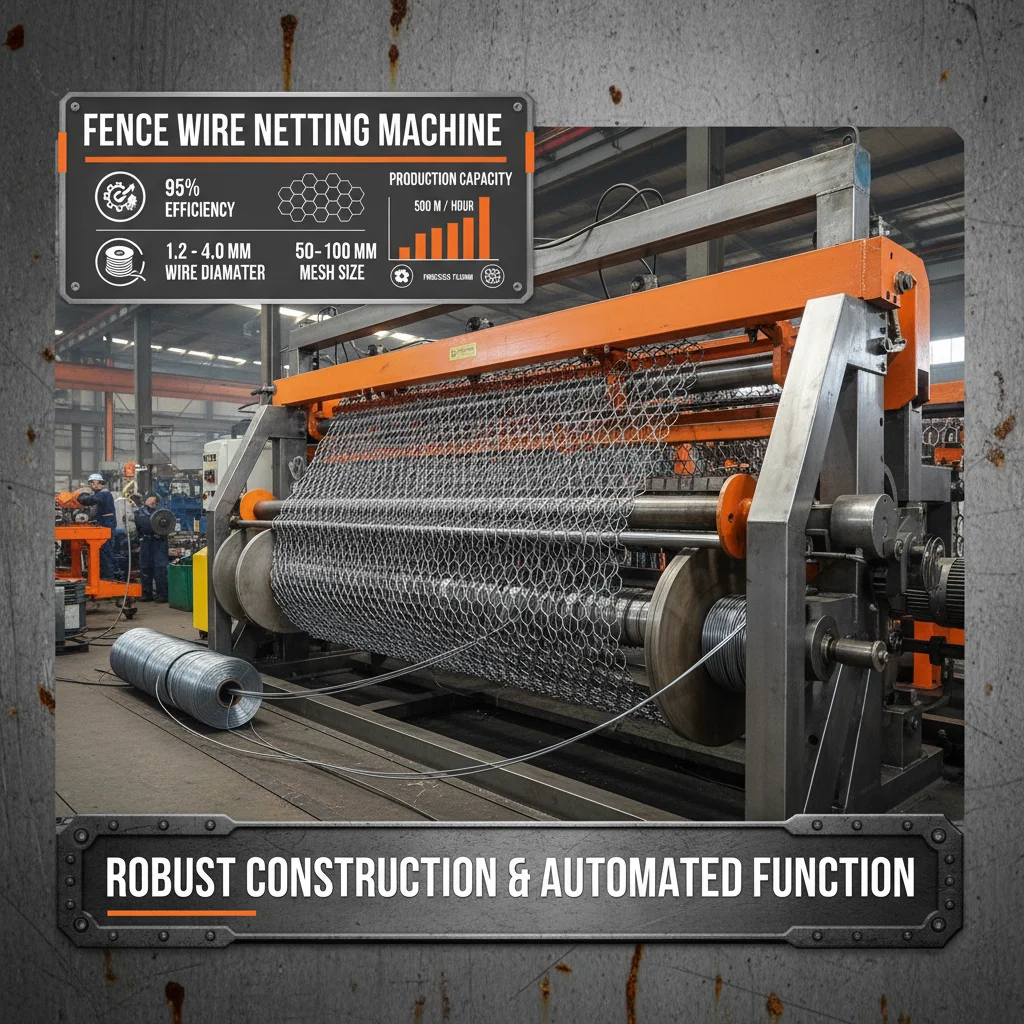
Looking ahead, the future of stone crusher screen mesh is poised for innovation, driven by advancements in materials science, automation, and data analytics. Embracing these technologies will enable producers to achieve greater levels of efficiency, sustainability, and profitability. To learn more about our comprehensive range of wire mesh machines and products, including solutions tailored for stone crusher screen mesh production, visit our website today.