Hit enter to search or ESC to close
The world relies on robust and reliable infrastructure, and often overlooked, but utterly critical to that, is the quality of the materials that hold it all together. Specifically, stainless steel wire mesh. It’s not glamorous, I spend a lot of time covered in dust and shavings dealing with it, but trust me, a good stainless steel wire mesh making machine is the backbone of countless applications, from securing concrete in construction to filtering liquids in food processing. It’s about more than just metal; it’s about safety, longevity, and ultimately, keeping things running smoothly. We’re seeing demand surge globally, especially in rapidly developing nations where infrastructure is being built at a breakneck pace, and even in established economies where aging infrastructure needs replacing. This isn’t a niche market; it’s a fundamental component of modern life.
For years, manufacturers relied on outdated, inefficient processes. We saw inconsistencies in quality, high material waste, and a real struggle to meet increasing demands. The industry needed a solution that could deliver precision, speed, and scalability. That's where advanced stainless steel wire mesh making machines come in. They're not just automating a process; they're transforming it. I've seen firsthand how these machines have leveled up quality control, reduced production costs, and opened up possibilities for new, specialized mesh applications. And honestly, it makes my job a lot easier when the materials I'm relying on are consistently top-notch.
These machines aren’t a one-size-fits-all solution, though. Selecting the right machine requires careful consideration of the specific application and the desired mesh characteristics. We've got everything from simple, manually operated models for small-scale production to fully automated, high-speed lines capable of churning out tons of mesh per day. Understanding these nuances is crucial to maximizing return on investment and ensuring long-term operational efficiency.
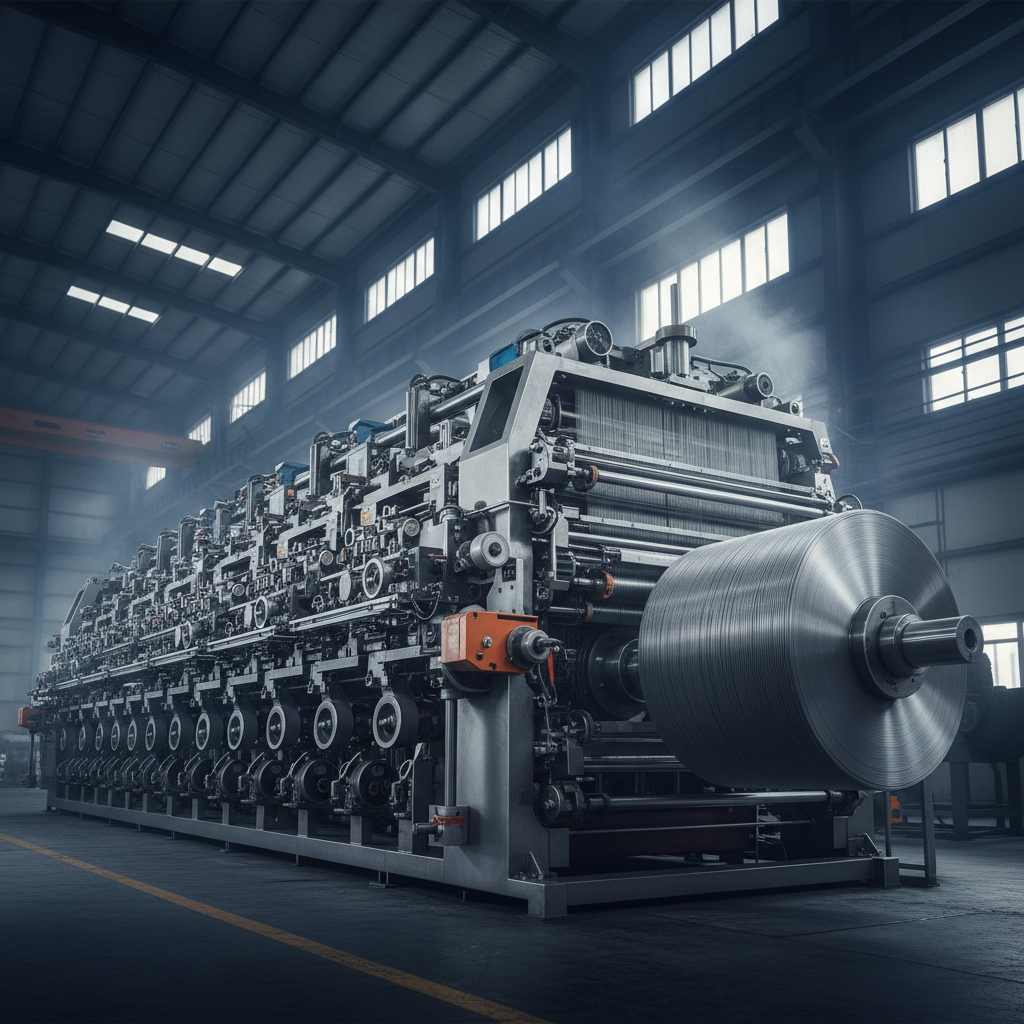
The demand for stainless steel wire mesh is intrinsically linked to global infrastructure development. According to UN projections, the world population will reach nearly 10 billion by 2050, driving an unprecedented need for housing, transportation, and utilities. This translates directly into increased demand for construction materials, including reinforcing mesh. Furthermore, the World Bank estimates that over $1 trillion in infrastructure investment is needed annually in developing countries alone. A reliable supply of high-quality stainless steel wire mesh is, therefore, essential to meeting these global challenges.
I've seen this firsthand while working on projects in Southeast Asia. The pace of development is incredible, but the demand for quality materials often outstrips supply. That's where having efficient, reliable stainless steel wire mesh making machine becomes critically important. It’s not just about speed; it’s about being able to consistently deliver a product that meets stringent safety and performance standards.
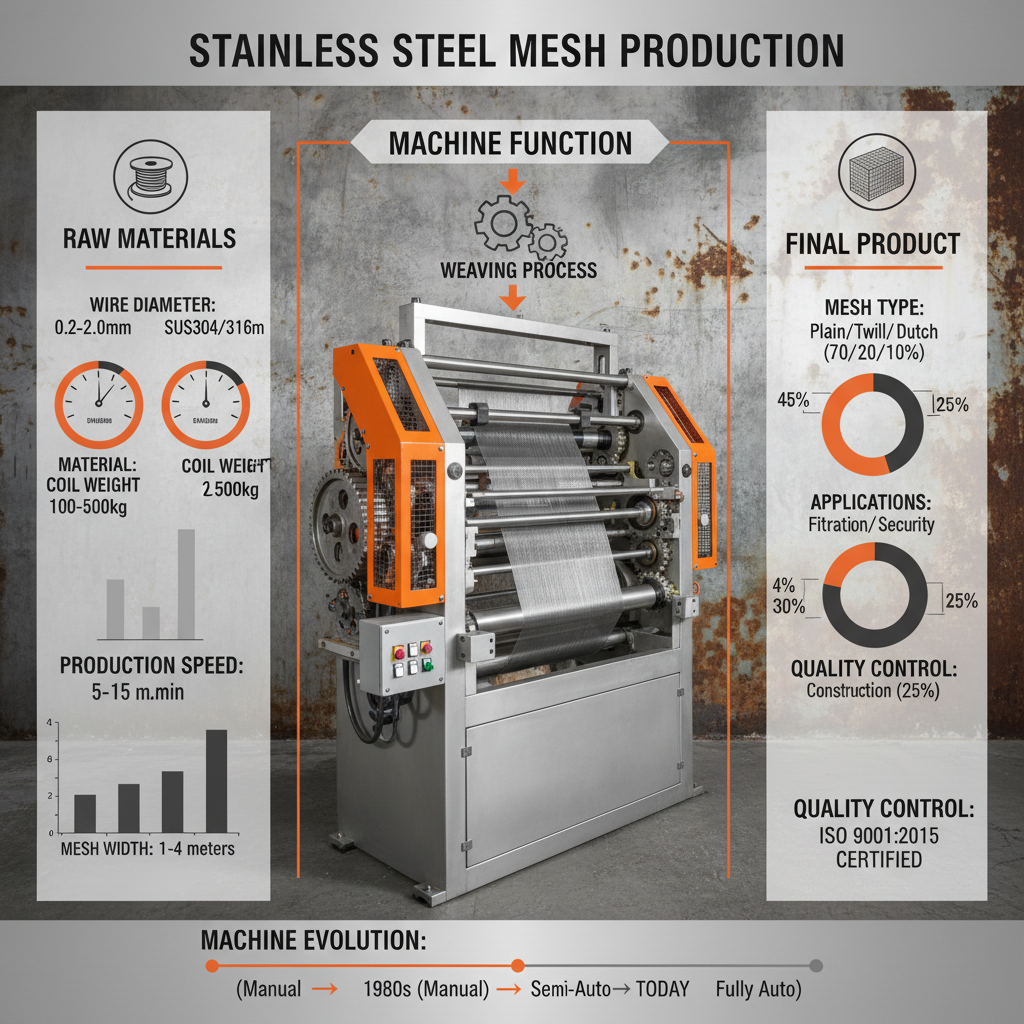
Simply put, a stainless steel wire mesh making machine is a piece of equipment designed to automatically fabricate mesh from stainless steel wire. But it’s more complex than just bending and weaving wire. These machines often incorporate precise feeding systems, welding or interlocking mechanisms, and sophisticated control systems to ensure consistent mesh dimensions, aperture size, and overall structural integrity. They come in various configurations depending on the desired mesh type – woven, welded, hexagonal, etc. – and can handle a wide range of wire diameters and mesh widths.
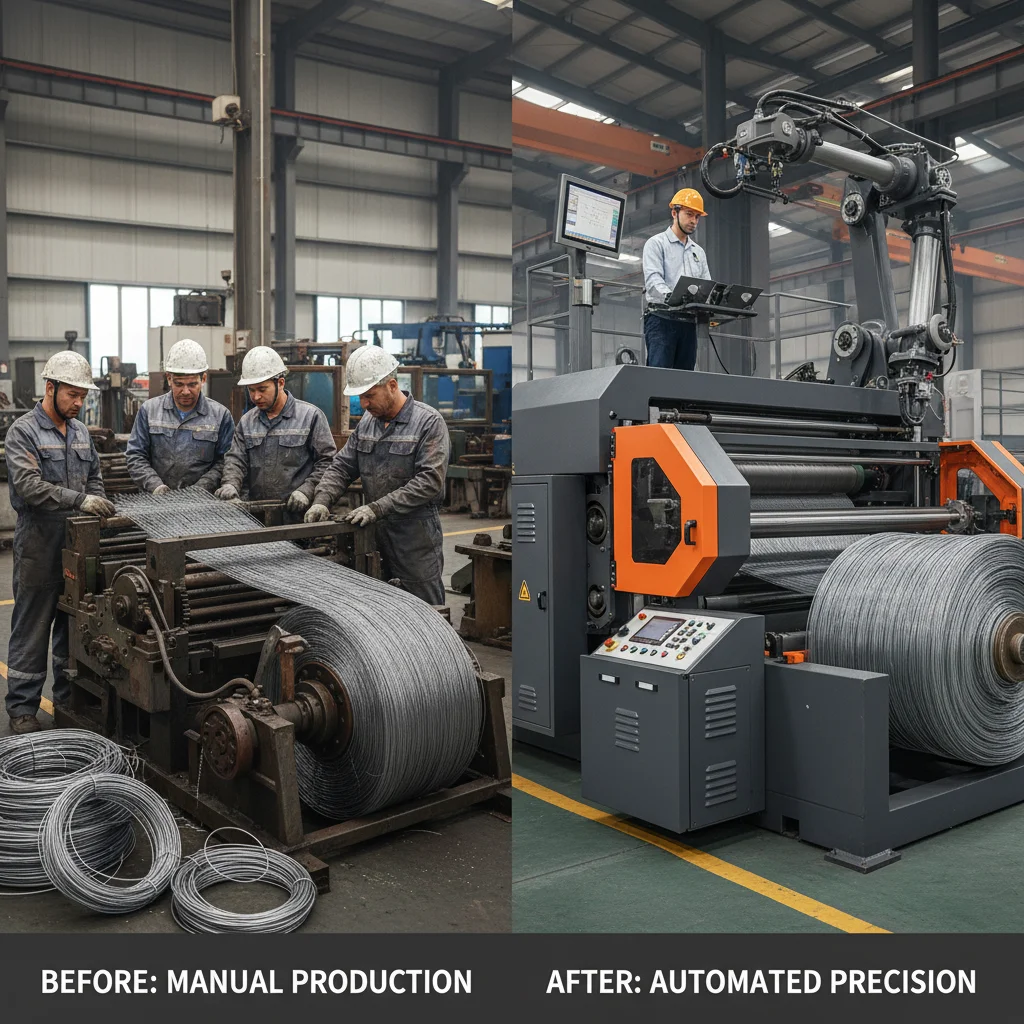
What makes them vital to modern industry is their ability to produce mesh efficiently and at scale. Before these machines, creating large quantities of consistent mesh was incredibly labor-intensive and prone to errors. Now, with automation, we can guarantee quality, reduce waste, and meet the demanding timelines of modern construction and manufacturing projects. It's the difference between building a solid foundation and hoping for the best.
This is a critical technology even outside of construction. Think filtration systems for food and beverage processing, screens for mining operations, or even specialized meshes for medical implants. The applications are incredibly diverse, and the demand for specialized mesh types continues to grow.
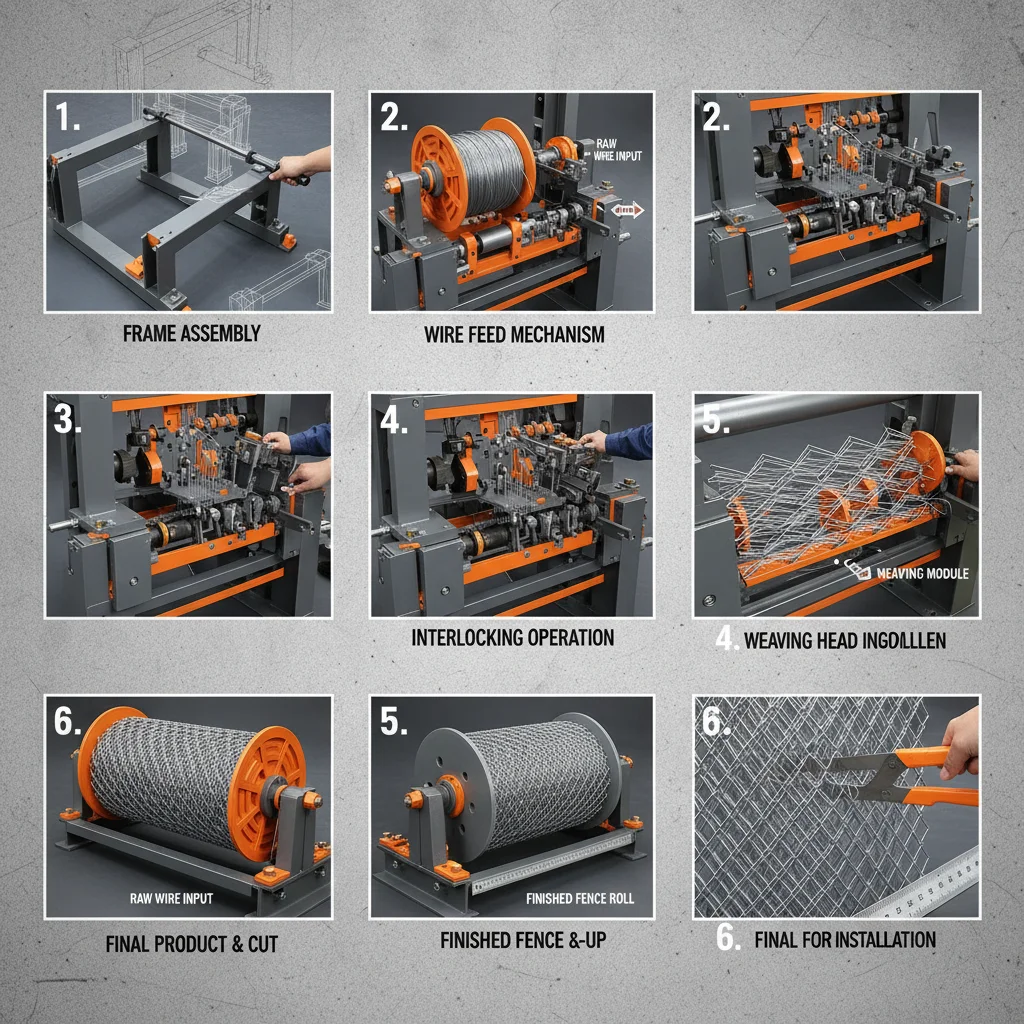
A modern stainless steel wire mesh making machine isn't just one single unit. It's a system comprised of several key components working in concert. The wire feeding system is crucial, ensuring a consistent and controlled supply of wire to the forming mechanism. The forming mechanism itself – whether it’s a welding head, a weaving loom, or a hexagonal twisting apparatus – dictates the mesh type. Then there’s the control system, typically a PLC (Programmable Logic Controller), which manages the entire process, from wire feeding to mesh coiling. And finally, the quality control systems, often involving laser sensors and automated inspection, ensure that every meter of mesh meets specifications.
Operational factors play a huge role in maximizing the machine’s performance. Proper wire selection is paramount; using the wrong grade of stainless steel can compromise the mesh’s corrosion resistance and strength. Maintaining consistent tension on the wire is also critical, as variations can lead to uneven mesh dimensions. Regular maintenance, including lubrication and cleaning, is essential to prevent breakdowns and ensure a long service life. I’ve seen too many machines sidelined due to simple neglect – a little preventative care goes a long way.
The skill of the operator also matters. Even with automated machines, a knowledgeable operator can fine-tune settings to optimize production speed, minimize waste, and identify potential issues before they escalate. It’s a blend of technology and human expertise that delivers the best results.
The versatility of stainless steel wire mesh means it’s utilized across a wide spectrum of industries. In construction, it’s primarily used for reinforcing concrete – in slabs, walls, and foundations – to enhance its tensile strength and prevent cracking. In the food and beverage industry, it's crucial for filtration, separation, and sterilization processes, ensuring product purity and safety. Mining operations rely on it for screening and classifying materials, while the aerospace industry uses it for specialized applications requiring high strength-to-weight ratios.
I’ve recently been involved in a project providing mesh for a wastewater treatment plant. The mesh is used in various filtration stages to remove solids and pollutants, ensuring clean water discharge. The consistency and durability of the mesh are critical to the plant’s operational efficiency. We’ve also provided mesh for architectural projects, where it’s used as a decorative element, adding a modern and visually appealing touch to building facades. These are just a few examples; the possibilities are endless.
Investing in a high-quality stainless steel wire mesh making machine translates to tangible benefits across the entire value chain. Reduced labor costs are a primary driver, as automation significantly minimizes manual intervention. Lower material waste is another key advantage, thanks to precise wire feeding and controlled forming processes. And, of course, improved product quality leads to fewer rejects and increased customer satisfaction.
But the long-term value extends beyond mere cost savings. The durability of stainless steel mesh itself contributes to the longevity of structures and equipment, reducing the need for frequent repairs and replacements. This sustainability aspect is becoming increasingly important, as businesses and governments alike prioritize environmentally responsible practices. It's not just about saving money today; it’s about building a more resilient and sustainable future.
The stainless steel wire mesh making machine industry is constantly evolving, driven by advancements in automation, materials science, and digital technologies. We’re seeing a growing trend towards Industry 4.0 integration, with machines equipped with sensors, data analytics, and remote monitoring capabilities. This allows for predictive maintenance, optimized production scheduling, and real-time quality control.
Another exciting development is the exploration of new stainless steel alloys with enhanced corrosion resistance and strength. These advanced materials are opening up possibilities for specialized mesh applications in demanding environments. Furthermore, the rise of 3D printing technology is paving the way for creating complex mesh geometries that were previously impossible to achieve with traditional manufacturing methods.
Despite the advancements, challenges remain. The initial investment cost of advanced machines can be significant, particularly for smaller businesses. Skilled labor shortages are also a concern, as operating and maintaining these complex systems requires specialized training. And, of course, ensuring consistent raw material quality is always a challenge.
However, these challenges are driving innovation. We’re seeing the emergence of more affordable and user-friendly machines, as well as increased investment in training programs to address the skills gap. Furthermore, advancements in supply chain management and quality control systems are helping to ensure a reliable supply of high-quality stainless steel wire.
The future of stainless steel wire mesh making lies in embracing these technologies and fostering collaboration between machine manufacturers, material suppliers, and end-users.
| Machine Type | Automation Level | Production Capacity (tons/day) | Typical Applications |
|---|---|---|---|
| Manual Wire Weaver | Low | 0.1 - 0.5 | Small-scale filtration, handicrafts |
| Semi-Automatic Welded Mesh Machine | Medium | 0.5 - 2 | Reinforcing mesh, fencing, agricultural applications |
| Fully Automatic Hexagonal Mesh Machine | High | 2 - 5 | Poultry netting, gabions, erosion control |
| CNC Woven Mesh Machine | High | 3 - 8 | Precision filtration, aerospace components |
| High-Speed Welded Mesh Line | Very High | 5 - 15 | Large-scale construction, infrastructure projects |
| Multi-Functional Mesh Machine | High | 1-6 | Various applications, customizable mesh production |
Choosing the right machine depends on your specific needs. Consider the mesh type you intend to produce (woven, welded, hexagonal, etc.), the desired production volume, the wire diameter and material grade you'll be using, and your budget. Automation level and available space are also critical factors. It's essential to thoroughly assess your requirements before making a decision and, ideally, consult with an experienced machine supplier. A mismatch between your needs and the machine's capabilities can lead to inefficiencies and costly downtime.
Regular maintenance is crucial for ensuring optimal performance and longevity. This typically includes daily cleaning of wire guides and forming components, weekly lubrication of moving parts, monthly inspection of electrical connections, and annual professional servicing. Following the manufacturer's recommended maintenance schedule is essential, and keeping a detailed maintenance log can help identify potential issues before they become major problems. Neglecting maintenance can lead to increased downtime, reduced product quality, and ultimately, a shorter machine lifespan.
Safety should always be a top priority. Operators should always wear appropriate personal protective equipment (PPE), including safety glasses, gloves, and ear protection. Ensure all safety guards and interlocks are functioning correctly. Never attempt to repair or adjust the machine while it’s running. Proper training is essential, and operators should be thoroughly familiar with the machine's operation and safety procedures. Regular safety audits can help identify and address potential hazards.
The quality of the stainless steel wire is paramount. Using inferior wire can compromise the mesh’s corrosion resistance, strength, and overall durability. Ensure the wire meets the required specifications for chemical composition, tensile strength, and surface finish. Purchasing wire from a reputable supplier is essential, and verifying its quality through testing and certification is highly recommended. Even slight variations in wire quality can significantly impact the performance and lifespan of the final mesh product.
With proper maintenance and care, a high-quality stainless steel wire mesh making machine can have a lifespan of 10-20 years or even longer. However, this is heavily dependent on factors such as the machine's usage intensity, the quality of raw materials, and the adherence to recommended maintenance schedules. Regular servicing, prompt repairs, and the use of genuine spare parts are crucial for maximizing the machine’s lifespan and ensuring its continued reliability.
Several trends are shaping the future of the industry. We're seeing increased integration of Industry 4.0 technologies, including remote monitoring, data analytics, and predictive maintenance. The development of new stainless steel alloys with enhanced properties is also gaining traction. Additionally, advancements in automation and control systems are leading to greater precision, efficiency, and flexibility in mesh production. These trends are driving innovation and improving the overall performance and reliability of stainless steel wire mesh making machines.
Stainless steel wire mesh making machines are foundational to modern infrastructure and countless industrial processes. From construction and filtration to aerospace and healthcare, the demand for high-quality mesh continues to grow. Investing in reliable, efficient, and technologically advanced machines is not just a matter of cost savings; it's a strategic move that ensures long-term sustainability, improved product quality, and a competitive edge in the global market. Understanding the nuances of these machines – their components, operational factors, and emerging trends – is critical for success.
The future of this industry lies in embracing innovation and fostering collaboration. Continued advancements in automation, materials science, and digital technologies will undoubtedly unlock new possibilities and drive further improvements in mesh production. If you’re looking to upgrade your operations or explore new opportunities in this dynamic field, visit our website at www.htmeshmachines.com to learn more about our range of stainless steel wire mesh making machines and how we can help you achieve your goals.

If you are interested in our products, you can choose to leave your information here, and we will be in touch with you shortly.