0%

Table of Contents

The global demand for effective fencing and enclosure solutions has propelled the development of sophisticated chicken wire mesh machines. These machines are no longer simply tools for agricultural applications; they are integral to a diverse range of industries, from construction and security to animal containment and industrial filtration. Understanding the intricacies of these machines—their capabilities, advancements, and future trends—is crucial for businesses and professionals seeking cost-effective and reliable solutions for their fencing needs.        

       The significance of the chicken wire mesh machine extends beyond economic considerations. In disaster relief scenarios, quick deployment of temporary fencing is often critical for establishing secure zones and protecting vulnerable populations. Furthermore, the use of durable and long-lasting mesh provides a sustainable alternative to traditional fencing materials, reducing environmental impact and minimizing maintenance costs. The versatility of these machines allows for the production of mesh tailored to specific requirements, ensuring optimal performance in diverse conditions.        

       Investing in a thorough understanding of chicken wire mesh machine technology allows businesses to optimize production, reduce waste, and enhance the quality of their finished products.  This knowledge empowers informed decision-making regarding machine selection, maintenance, and operational efficiency, ultimately leading to increased profitability and a stronger competitive edge in the global market.
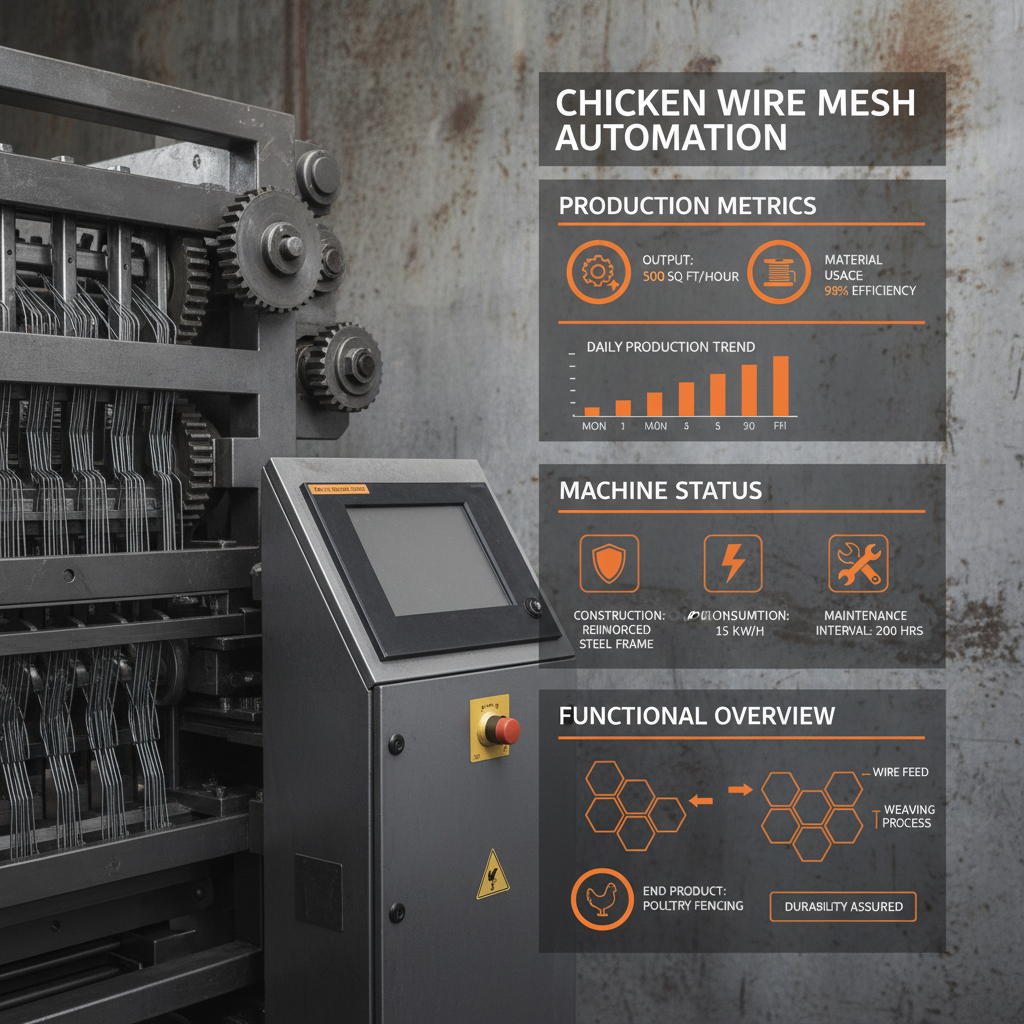
chicken wire mesh machine    

The Core Principles of chicken wire mesh machine

chicken wire mesh machine            

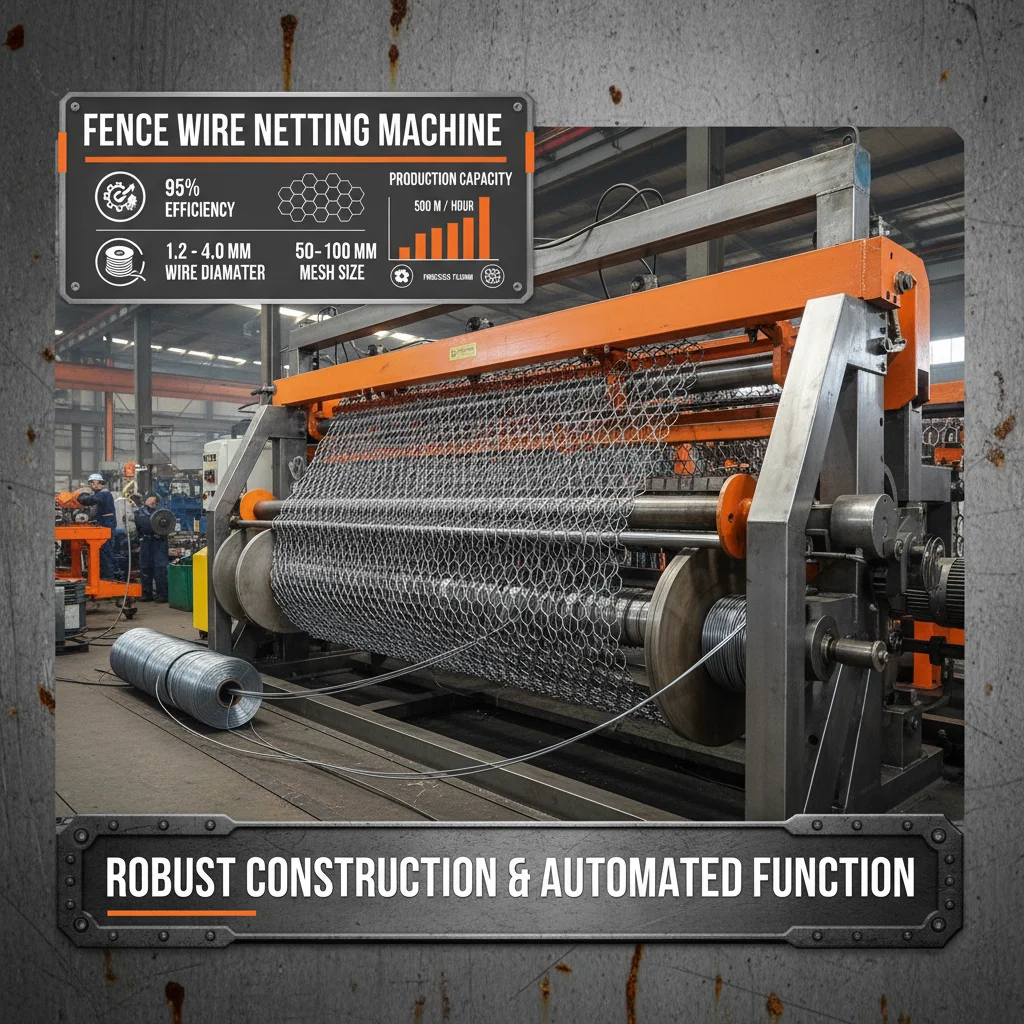
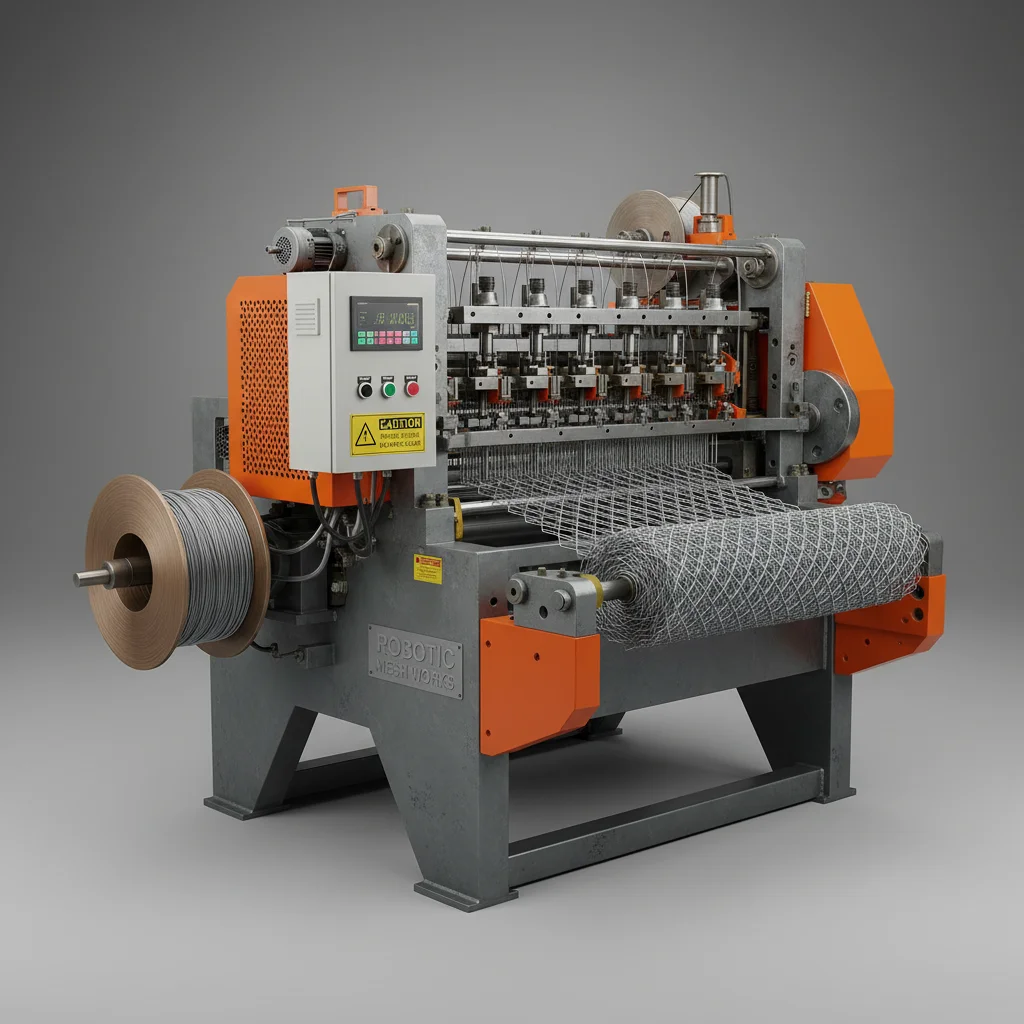
At the heart of every chicken wire mesh machine lies the principle of automated wire weaving. These machines utilize a series of precisely engineered components—including rollers, cams, and shuttles—to interlock wires, creating a durable and consistent mesh pattern. The efficiency and accuracy of this process are paramount for producing high-quality mesh that meets stringent industry standards.            

           The core mechanics involve feeding wire coils through a controlled weaving process. Variations in machine design allow for the creation of different mesh configurations, including varying wire gauges, aperture sizes, and mesh densities. Modern machines often incorporate computerized controls for greater precision and adaptability, accommodating a wider range of production demands.

Global Significance and Market Dynamics

The global market for chicken wire mesh machines is substantial and growing, driven by increased demand from diverse sectors. According to industry reports, the Asia-Pacific region currently dominates the market, with China being a leading producer and consumer of both machines and mesh products.  North America and Europe also represent significant markets, particularly for high-precision and specialized machines.        

       This growth is fueled by expanding construction activities, increasing agricultural needs for animal containment and crop protection, and growing demand for security fencing in both residential and industrial settings. The demand for robust, reliable, and cost-effective fencing solutions in developing nations further contributes to the overall market expansion.        

       However, the market faces challenges such as fluctuating raw material prices (steel wire) and increasing competition from manufacturers.  The rise of automation and the development of more energy-efficient machines are key trends shaping the industry's future.

Defining a chicken wire mesh machine

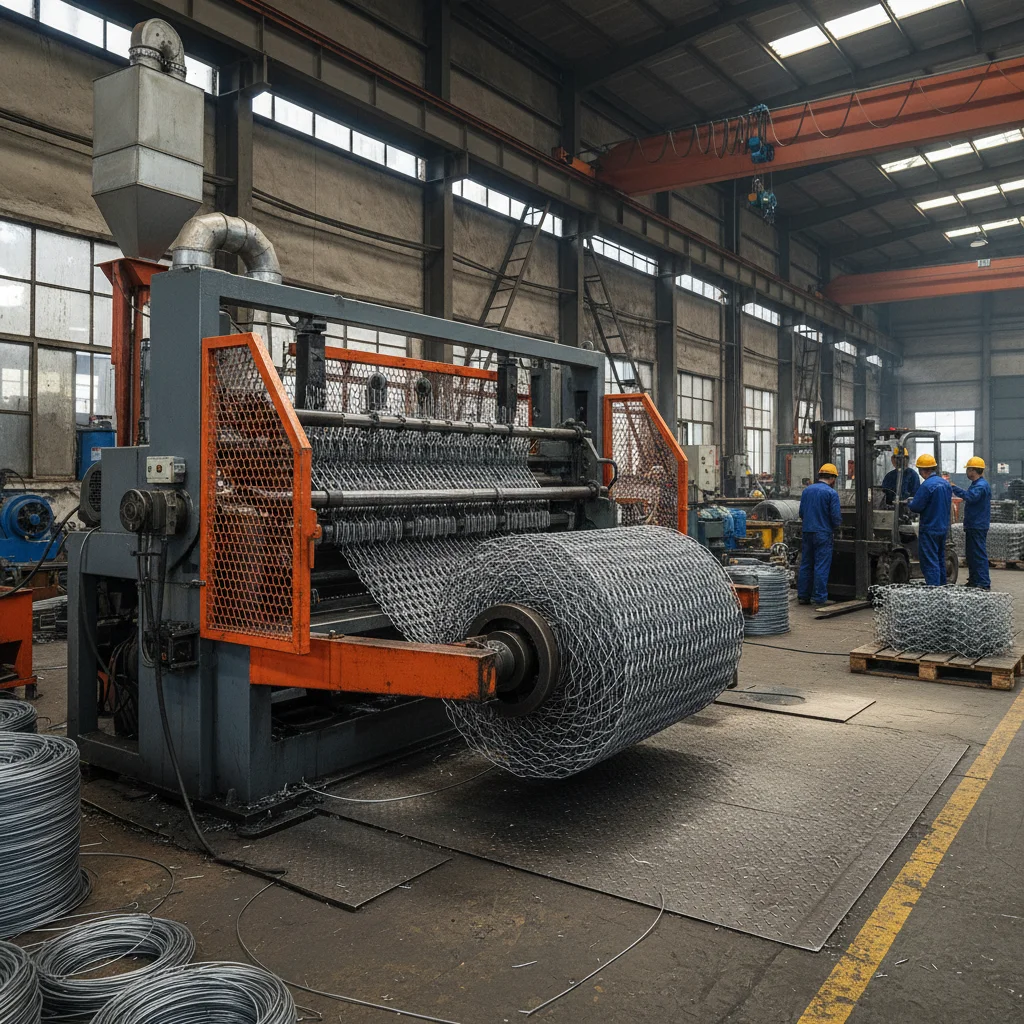
A chicken wire mesh machine is a specialized piece of industrial equipment designed to automatically produce woven wire mesh. This mesh, commonly known as chicken wire or poultry netting, is characterized by its hexagonal openings and is typically made from galvanized steel wire, though other materials like PVC-coated wire are also used. The machines automate what was historically a manual, labor-intensive process.

The connection to modern industry extends beyond agricultural applications.  These machines produce materials used in construction for plastering keys, in security applications for perimeter fencing, and in various industrial processes for filtration and reinforcement. Increasingly, specialized machines are being developed to produce mesh with customized aperture sizes and wire gauges for niche markets.

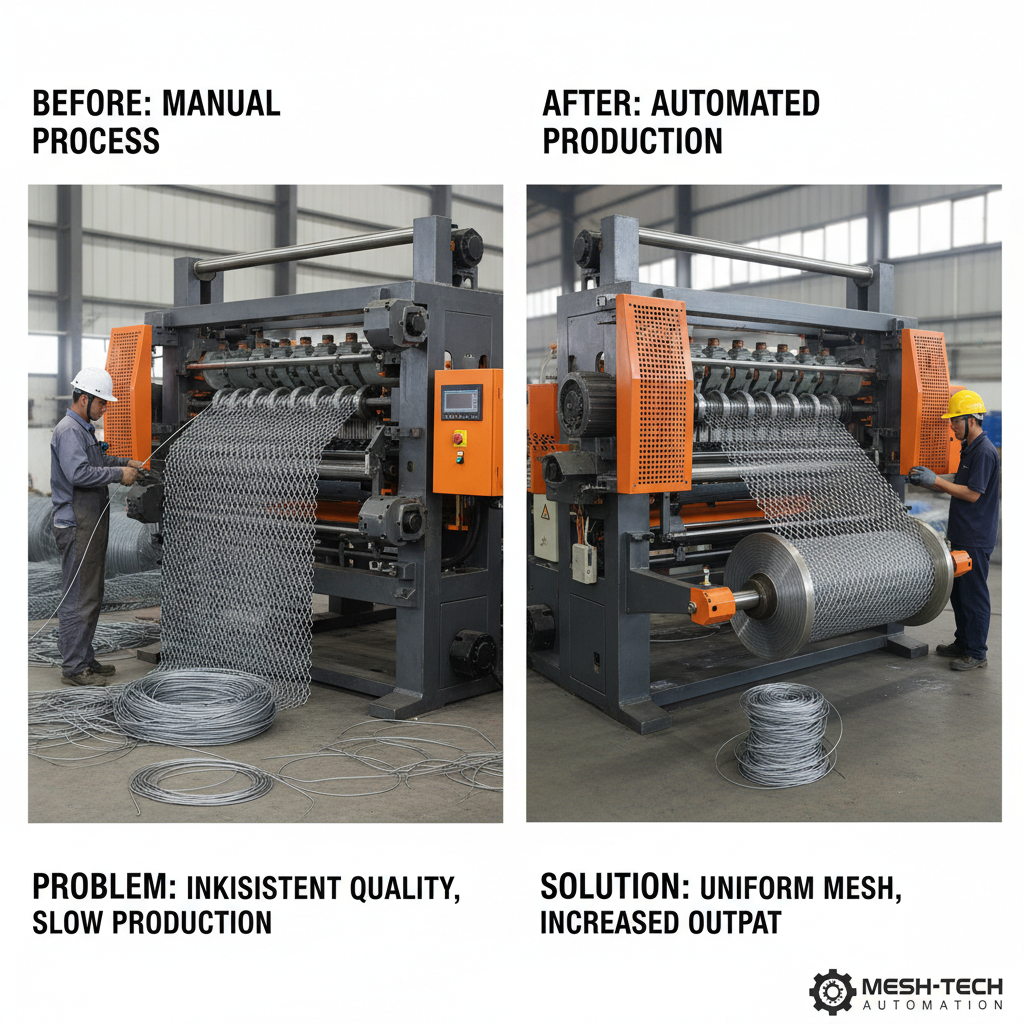
The fundamental purpose of a chicken wire mesh machine is to provide a consistent, high-quality product at a scale and efficiency that is impossible to achieve manually. This has made these machines indispensable for manufacturers serving diverse sectors and global markets.

Key Operational Factors of chicken wire mesh machine

Durability is a crucial factor in chicken wire mesh machines. The machines are subject to constant stress and vibration, so robust construction using high-quality materials is essential for longevity and minimal downtime. Scalability, meaning the ability to adjust production capacity, is also vital, allowing manufacturers to respond to fluctuations in demand.        

       Cost efficiency is another key consideration.  This encompasses not only the initial purchase price of the machine but also ongoing maintenance costs, energy consumption, and labor requirements.  Machines with automated features and energy-saving designs offer significant long-term cost advantages.

Production Efficiency Comparison of chicken wire mesh machine Methods

Diverse Applications Across Industries

The applications of mesh produced by chicken wire mesh machines are far-reaching. In agriculture, it’s used for poultry enclosures, rabbit hutches, and crop protection.  Construction utilizes it as plastering keys to provide a better grip for plaster and cement.        

       In post-disaster relief operations, rapidly deployable fencing created with this mesh helps establish secure camps and protect aid supplies.  Furthermore, it finds use in industrial settings for safety guarding, filtration systems, and packaging applications. In remote industrial zones, the mesh provides a cost-effective security perimeter.

Long-Term Value and Sustainability

Investing in a high-quality chicken wire mesh machine provides long-term cost savings through reduced maintenance and increased production efficiency. The durability of the mesh itself contributes to sustainability by minimizing the need for frequent replacements.        

       The use of galvanized steel wire ensures resistance to corrosion and weathering, extending the lifespan of the mesh products.  Manufacturers are also increasingly adopting sustainable practices by utilizing recycled wire materials and implementing energy-efficient production processes. This demonstrates a commitment to both economic viability and environmental responsibility.

Future Innovations and Technological Advancements

The future of chicken wire mesh machine technology lies in increased automation, digital integration, and the development of more versatile machines.  Artificial intelligence (AI) and machine learning (ML) are being explored to optimize production parameters and predict maintenance needs.        

       New materials, such as advanced polymers and coated alloys, are also being investigated to enhance the performance and lifespan of the mesh. Furthermore, the integration of Industry 4.0 principles, including remote monitoring and data analytics, will enable manufacturers to streamline operations and improve product quality.        

       The trend towards green manufacturing is driving the development of more energy-efficient machines and the use of environmentally friendly materials, aligning with global sustainability goals.

Challenges and Potential Solutions in chicken wire mesh machine Operation

Challenge CategorySeverity (1-10)Potential SolutionImplementation Cost (Estimate)
Wire Breakage7Automated tension control & wire quality sensors$5,000 - $15,000
Machine Downtime8Predictive maintenance using AI & remote diagnostics$10,000 - $25,000
Mesh Dimensional Accuracy6Closed-loop control system with real-time adjustments$7,000 - $18,000
Energy Consumption5Variable frequency drives & optimized motor control$3,000 - $10,000
Operator Skill Gap4Comprehensive training programs & intuitive machine interfaces$2,000 - $5,000
Material Waste6Automated scrap collection & recycling system$4,000 - $12,000

FAQS

What are the key factors to consider when choosing a chicken wire mesh machine?            

When selecting a chicken wire mesh machine, consider production capacity, mesh specifications (aperture size, wire gauge), automation level, energy efficiency, maintenance requirements, and the manufacturer's reputation.  Factors like the type of wire used (galvanized steel, PVC-coated) and the intended application of the mesh also play a crucial role in determining the most suitable machine. Ensure the machine meets relevant safety standards and offers reliable performance for long-term use.

How often does a chicken wire mesh machine typically require maintenance?            

The maintenance frequency of a chicken wire mesh machine varies depending on usage and operating conditions.  However, regular lubrication of moving parts, inspection of wire feeding systems, and cleaning of the machine are essential.  A comprehensive service schedule should be followed, including periodic checks of the drive system, control panels, and safety features. Proactive maintenance minimizes downtime and extends the lifespan of the machine.

What is the typical production speed of a modern chicken wire mesh machine?            

Modern chicken wire mesh machines can achieve production speeds ranging from 30 to 100 meters per hour, depending on the machine's capabilities, the wire gauge, and the mesh aperture size. Fully automated machines with advanced control systems typically offer higher production rates than semi-automatic models. Production speed is a key factor in determining the overall cost-effectiveness of the machine.

What safety features are essential in a chicken wire mesh machine?            

Essential safety features include emergency stop buttons, safety guards around moving parts, wire break sensors, and overload protection systems.  Machines should also comply with relevant safety standards and regulations. Proper training for operators is crucial to ensure safe operation and prevent accidents. Regular inspection and maintenance of safety features are also vital.

What are the potential environmental impacts of chicken wire mesh machine operation, and how can they be minimized?            

The environmental impacts of chicken wire mesh machine operation primarily relate to energy consumption and waste generation.  Minimizing these impacts involves using energy-efficient machines, optimizing production processes to reduce material waste, and implementing recycling programs for scrap wire. Utilizing recycled wire materials and adopting sustainable manufacturing practices further contribute to environmental responsibility.

What is the average lifespan of a well-maintained chicken wire mesh machine?            

With proper maintenance and regular servicing, a high-quality chicken wire mesh machine can have a lifespan of 15 to 20 years or even longer. Consistent lubrication, timely replacement of worn parts, and adherence to the manufacturer’s recommended maintenance schedule are critical for maximizing the machine's lifespan and ensuring continued reliability. Regular inspections can identify and address potential issues before they lead to major breakdowns.

Conclusion

In conclusion, the chicken wire mesh machine stands as a pivotal technology underpinning a wide spectrum of industries. Its ability to deliver consistent, high-quality mesh efficiently and cost-effectively is essential for applications ranging from agriculture and construction to security and disaster relief. Understanding the core principles, operational factors, and future trends surrounding these machines is crucial for businesses seeking to optimize their operations and maintain a competitive edge.        

       Looking ahead, continued innovation in automation, material science, and sustainable manufacturing will drive the evolution of chicken wire mesh machine technology. Investing in advanced machines and embracing best practices will not only enhance productivity and reduce costs but also contribute to a more sustainable and resilient future. Visit our website at www.htmeshmachines.com to learn more about our comprehensive range of chicken wire mesh machines and how we can help you meet your specific fencing needs.

Michael Reynolds

Michael Reynolds

Michael Reynolds is a Project Manager at Hebei Mingyang Intelligent Equipment Co., Ltd., overseeing the implementation of large-scale machinery installations across the United States. Michael is a highly organized and detail-oriented professional with extensive experience in logistics, scheduling, and budget management. He ensures projects are completed on time and within budget, coordinating with various stakeholders including engineering, manufacturing, and installation teams. Michael has a proven track record of successfully managing complex projects, from initial consultation to final commissioning. He’s particularly adept at navigating customs clearance and import regulations. Michael holds a PMP certification and a background in industrial engineering.
Previous Advanced Chicken Wire Machine Technology for Efficient Production and Sustainable Solutions
Next Advanced Chicken Wire Mesh Making Machine Solutions for Diverse Industry Needs

If you are interested in our products, you can choose to leave your information here, and we will be in touch with you shortly.

  • captcha