Hit enter to search or ESC to close
24 February 2026
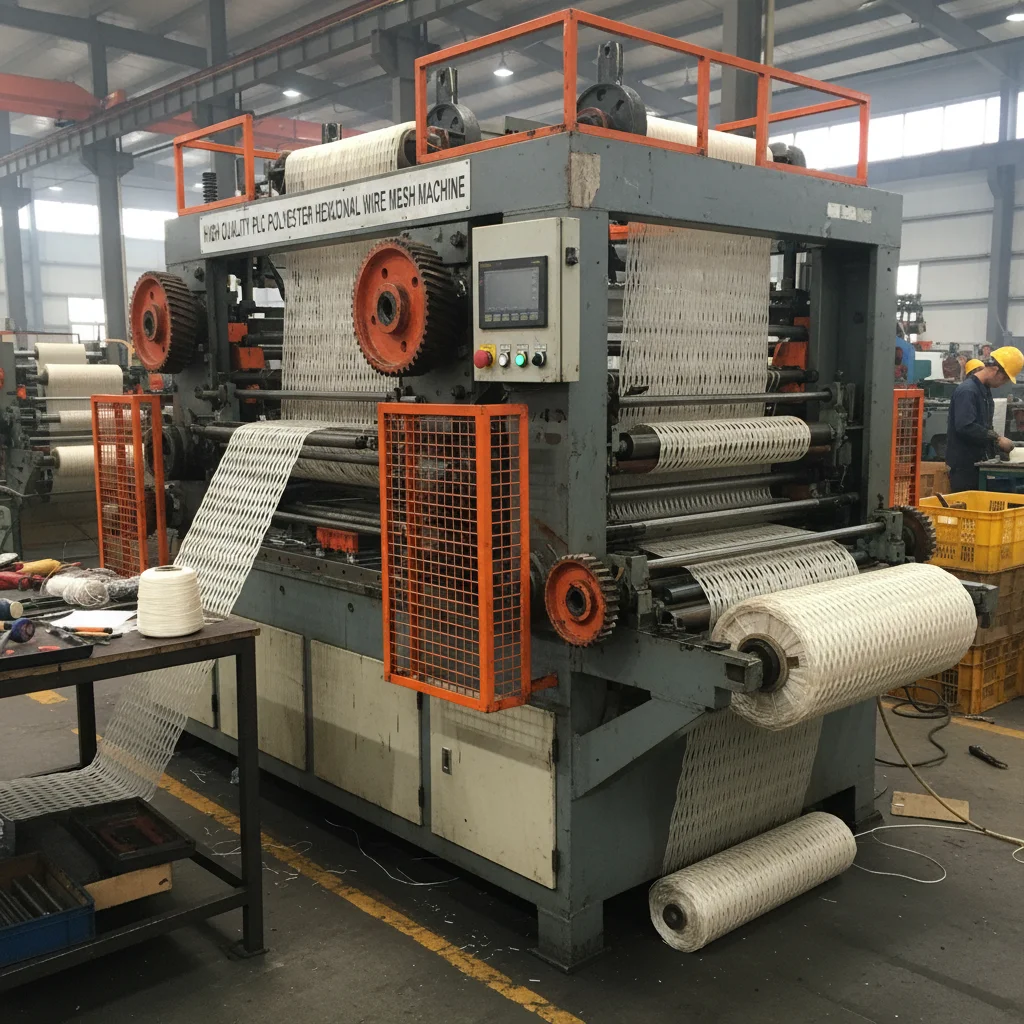
The demand for robust and reliable fencing solutions in agriculture, construction, and various industrial applications has led to a significant increase in the use of galvanized chicken wire mesh. Central to its production is the galvanized chicken wire mesh machine, a sophisticated piece of equipment responsible for weaving and galvanizing wire into durable mesh. This article will delve into the intricacies of these machines, exploring their components, operational principles, applications, maintenance, and future trends. Understanding these machines is crucial for businesses involved in mesh production, ensuring optimal efficiency and product quality.
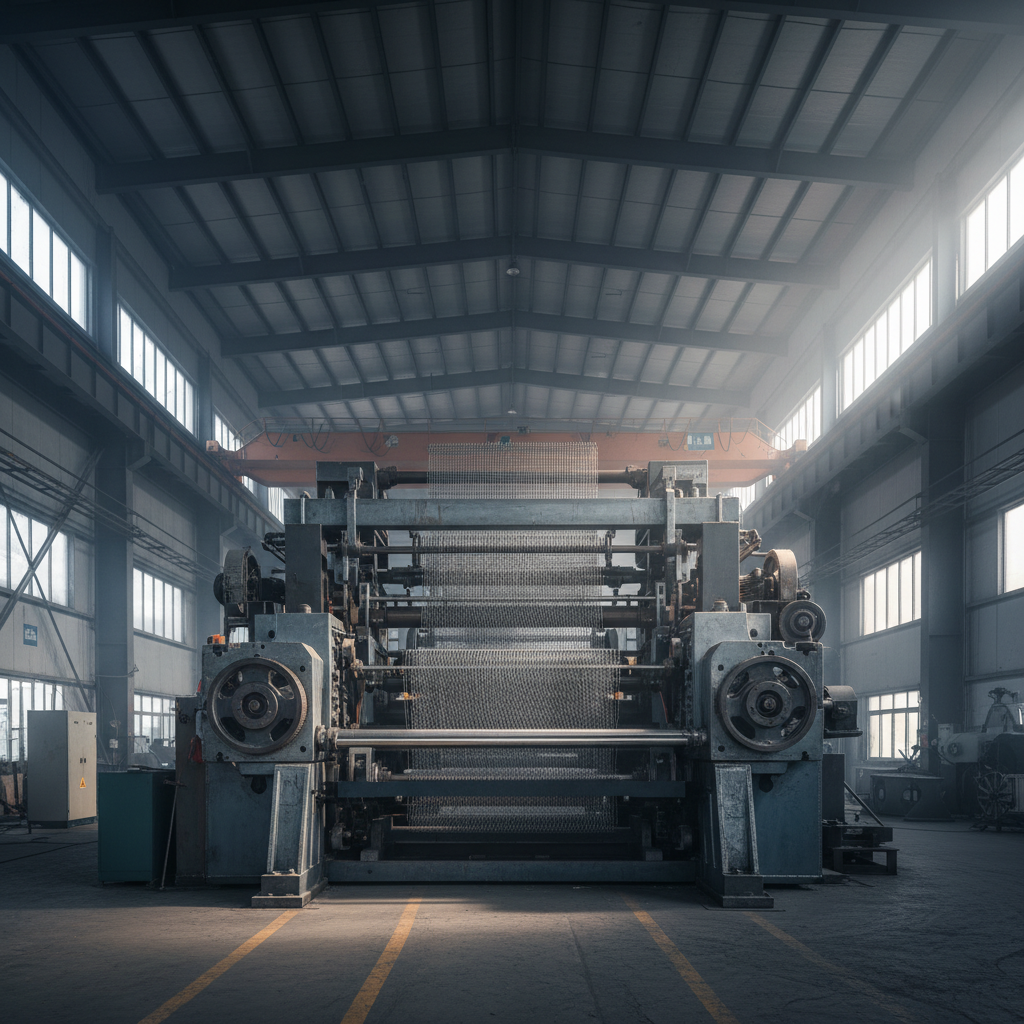
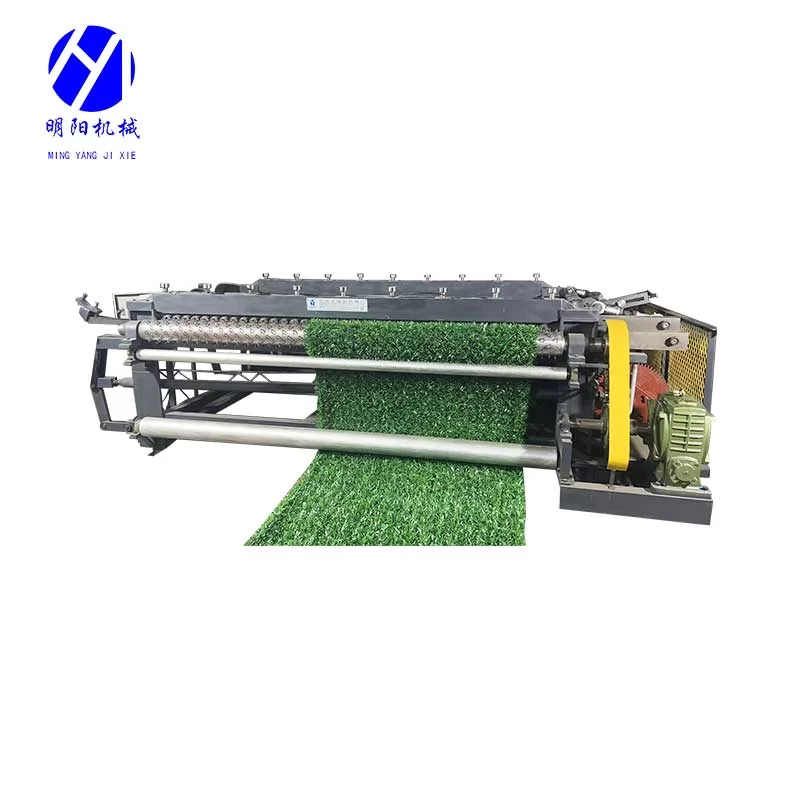
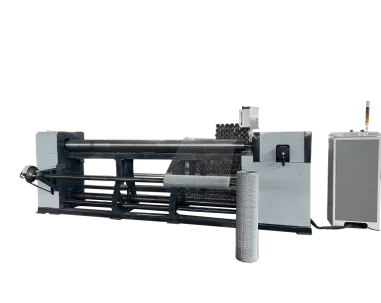
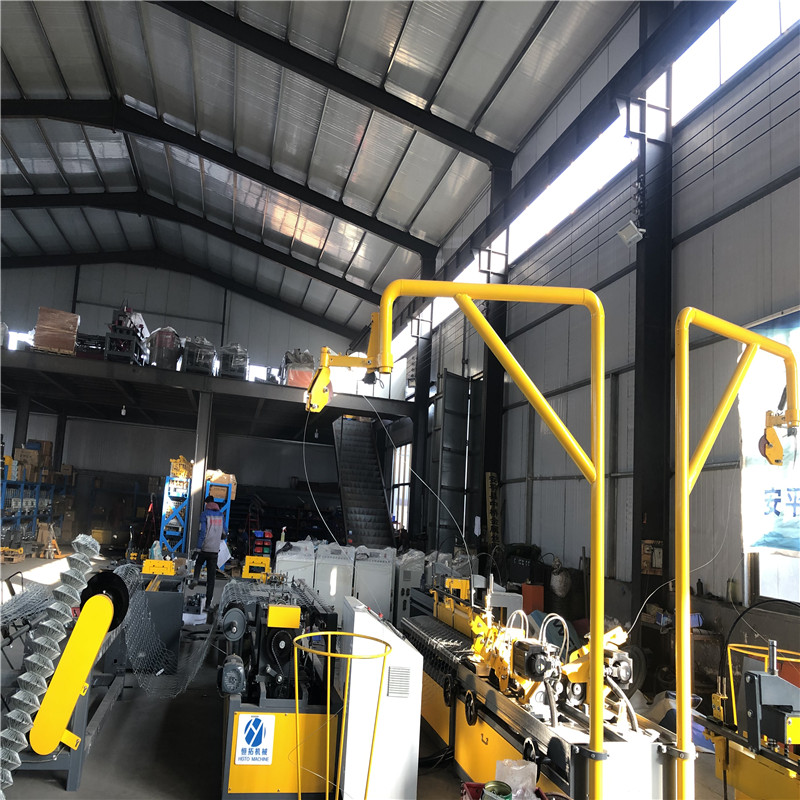
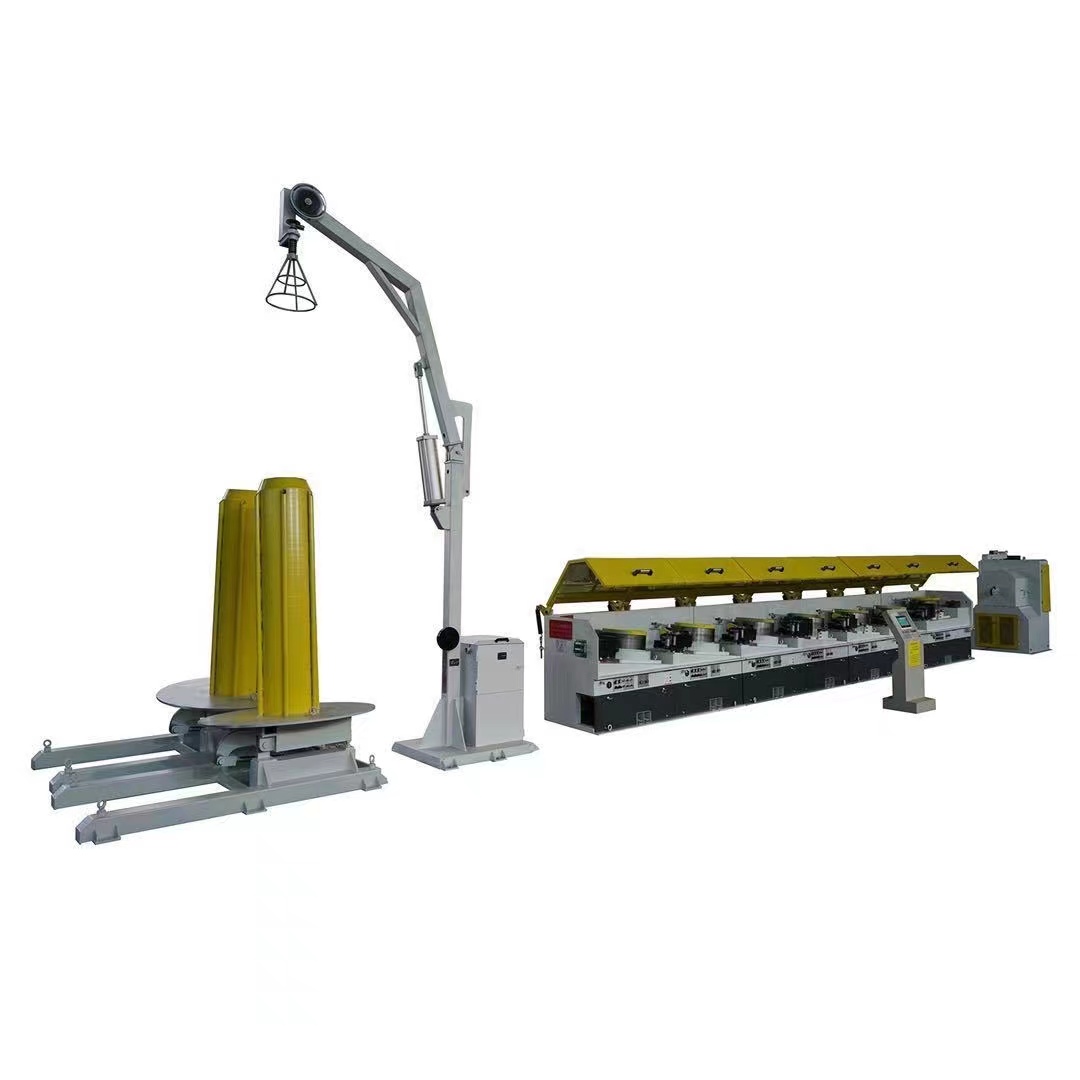
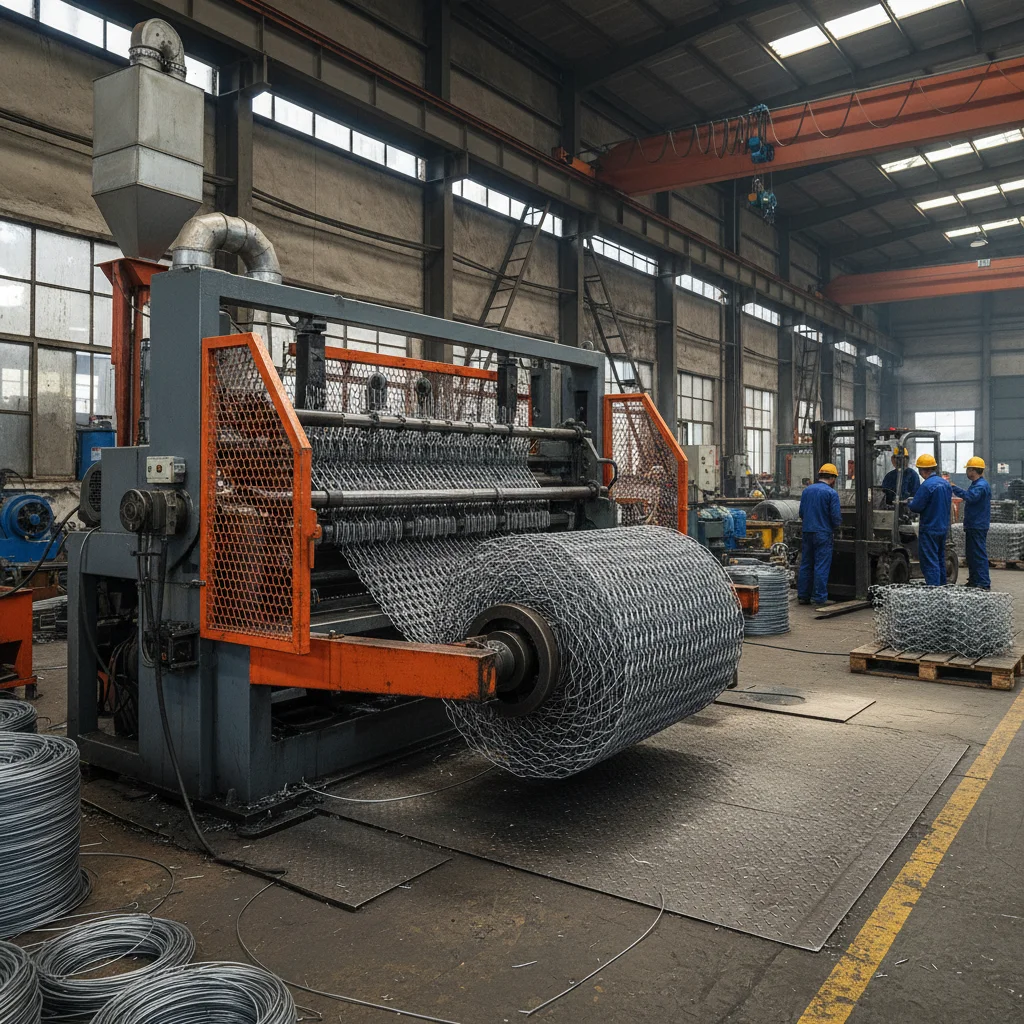
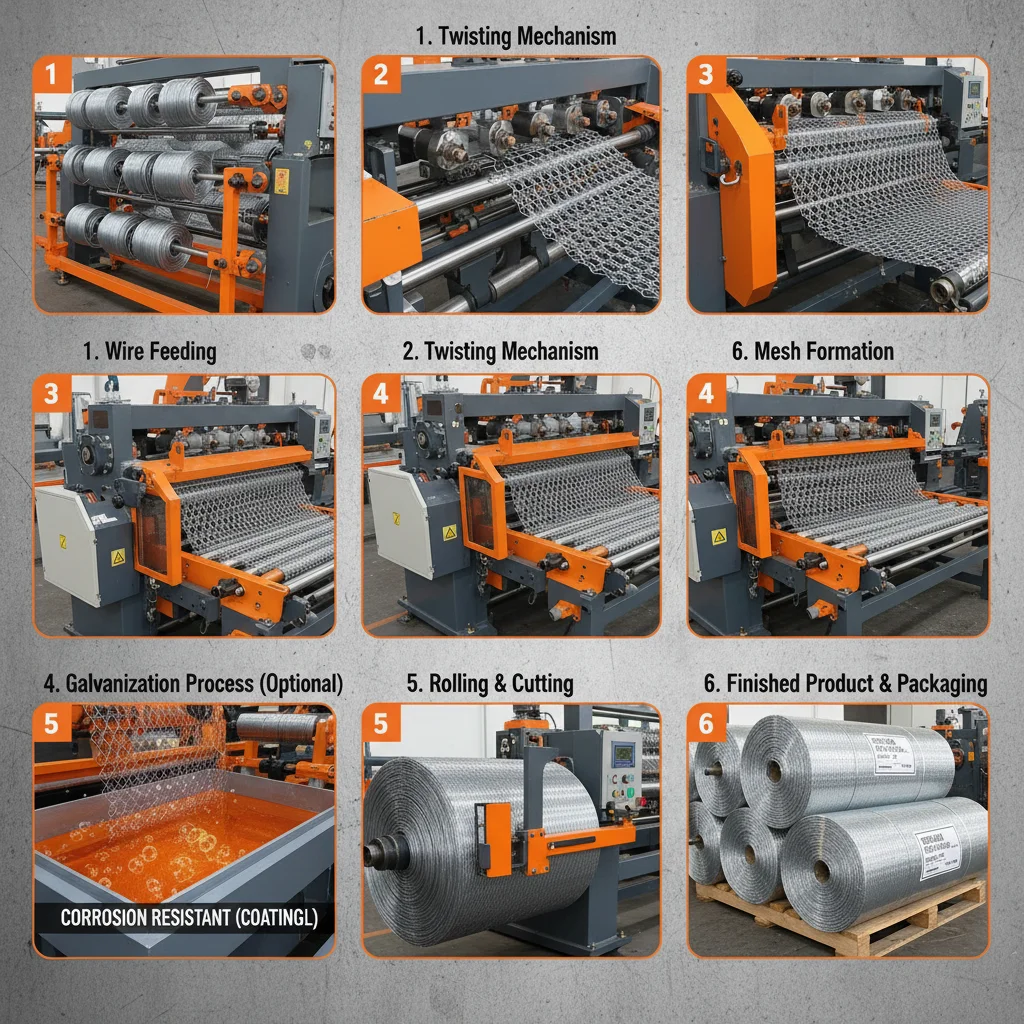
A typical galvanized chicken wire mesh machine comprises several key components working in harmony. These include the wire feeding system, the weaving mechanism (typically utilizing a chain or spiral link design), the galvanizing unit (hot-dip or electro-galvanizing), and the winding & cutting system. The wire feeding system ensures a consistent and controlled supply of wire to the weaving section. The weaving mechanism interlocks the wires to create the mesh pattern. Crucially, the galvanizing unit applies a protective zinc coating to prevent corrosion, extending the mesh’s lifespan. Finally, the winding and cutting system prepares the finished mesh for transportation and use. The integration of automated control systems is becoming increasingly common, enhancing precision and reducing manual labor.
Key Highlights: The machine’s ability to seamlessly integrate wire feeding, weaving, galvanizing, and winding processes is what defines its efficiency.
The operation begins with loading spools of wire into the feeding system. The wire is then drawn through a series of rollers and guides to the weaving section. Here, the wires are interlocked, forming the characteristic hexagonal or square mesh pattern. Following weaving, the mesh passes through the galvanizing process, typically hot-dip galvanizing, where it is immersed in molten zinc. This creates a metallurgical bond between the zinc and the steel, providing superior corrosion resistance. Finally, the galvanized mesh is wound onto spools or cut to specific lengths. Modern machines often incorporate PLC (Programmable Logic Controller) systems for precise control over these operations, resulting in consistent mesh quality and reduced waste.
Operational Benefits:
• Automated control for precision and consistency
• Reduced manual labor and increased efficiency
• Consistent mesh quality and minimal waste
• Adjustable settings for diverse mesh specifications
Galvanized chicken wire mesh machines are categorized based on automation level and output capacity. Fully automatic machines offer high production rates and minimal operator intervention, while semi-automatic machines require some manual handling. The choice depends on production volume and budgetary constraints. Here's a comparative overview of common machine specifications:
Regular maintenance is paramount to ensure the longevity and efficient operation of a galvanized chicken wire mesh machine. This includes daily cleaning of the weaving mechanism, lubrication of moving parts, and inspection of the galvanizing bath for zinc content and purity. Regularly check wire tension and adjust as needed. Troubleshooting common issues like wire breaks, mesh irregularities, and galvanizing defects requires a systematic approach. Consulting the machine’s manual and seeking expert assistance are crucial for resolving complex problems. Preventative maintenance schedules can significantly reduce downtime and extend the machine’s lifespan.
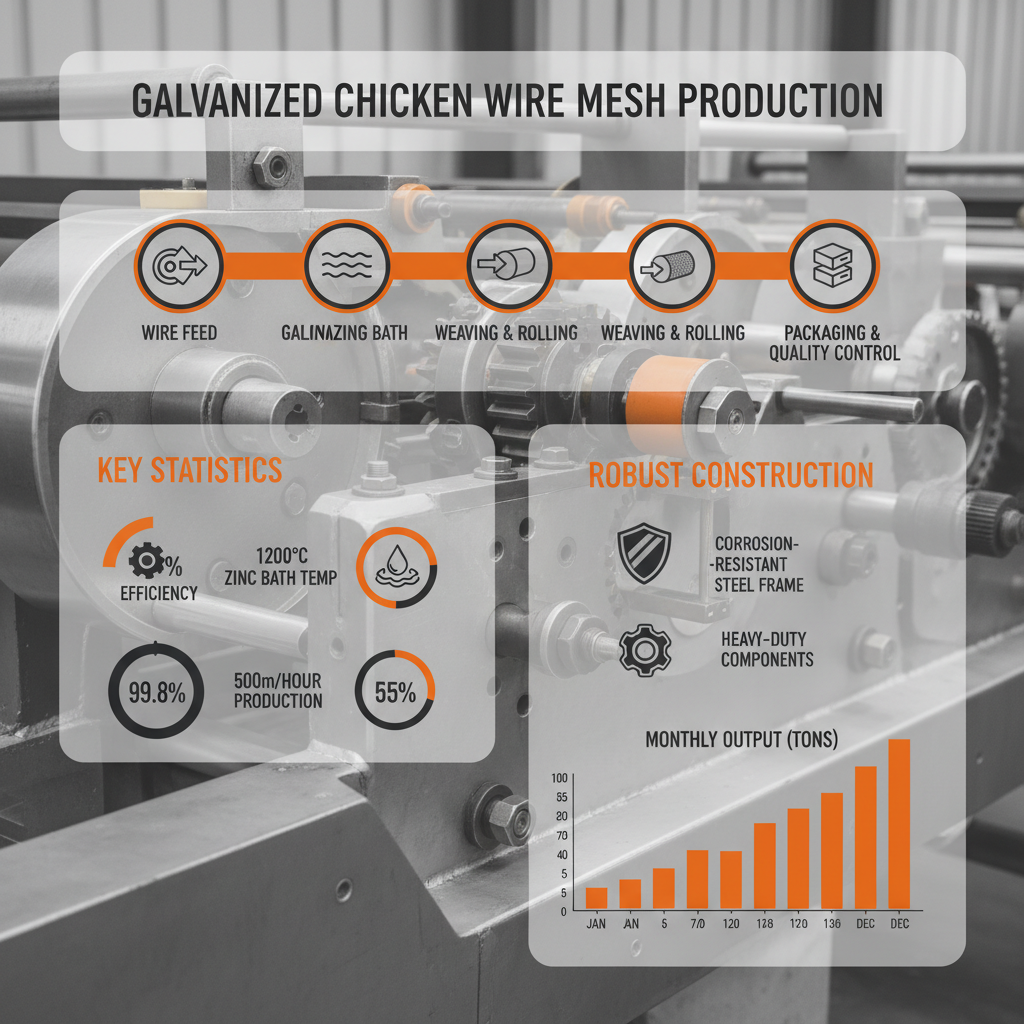
The future of galvanized chicken wire mesh machine technology is focused on increased automation, improved energy efficiency, and enhanced control systems. Expect to see more sophisticated PLC-based control systems that allow for real-time monitoring and adjustments. The integration of AI and machine learning is also emerging, enabling predictive maintenance and optimization of production parameters. Furthermore, there’s a growing trend towards environmentally friendly galvanizing processes and the development of machines capable of handling a wider range of wire materials and mesh specifications.
Selecting the appropriate galvanized chicken wire mesh machine is a critical investment for any business involved in mesh production. By understanding the key components, operational principles, and maintenance requirements, you can ensure optimal performance, product quality, and a long-term return on investment. Explore your options carefully and choose a machine that aligns with your specific production needs and budgetary constraints.
The power consumption varies significantly depending on the machine’s size, automation level, and output capacity. Smaller, semi-automatic machines typically consume between 3-10 kW, while larger, fully automatic machines can require 5.5-15 kW or more. It's essential to consider the power requirements when planning the installation and ensuring adequate electrical infrastructure. Selecting energy-efficient models and implementing power-saving measures can help reduce operating costs.
Most galvanized chicken wire mesh machines are designed to process low-carbon steel wire. However, some machines can accommodate other wire materials, such as stainless steel or coated wires, depending on the weaving mechanism and galvanizing process. The wire diameter typically ranges from 0.8mm to 3.0mm, but this can vary based on the machine's specifications. Always consult the machine manufacturer's guidelines to ensure compatibility with the chosen wire material.
With proper maintenance and operation, a well-built galvanized chicken wire mesh machine can have a lifespan of 10-15 years or more. Regular lubrication, cleaning, and timely replacement of worn parts are crucial for extending its longevity. Adhering to the manufacturer's recommended maintenance schedule and addressing any issues promptly will help prevent costly repairs and downtime. The quality of the initial machine build also plays a significant role in its lifespan.
Yes, the two primary galvanizing processes used are hot-dip galvanizing and electro-galvanizing. Hot-dip galvanizing involves immersing the mesh in molten zinc, creating a thick, durable coating. Electro-galvanizing uses an electrolytic process to deposit a thinner zinc layer. Hot-dip galvanizing generally provides better corrosion resistance, while electro-galvanizing offers a smoother finish. The choice depends on the intended application and desired level of protection.